
For sign shops, advertising factories, metal fabrication workshops stepping into or upgrading channel letter production, a high-quality CNC aluminum coil channel letter bending machine directly determines letter forming precision, production efficiency, finished letter aesthetics and long-term profit margins.
Many business owners make costly purchasing mistakes: buying low-cost bending equipment that cannot process thick aluminum coils, selecting single-function machines unable to adapt mixed materials, or overinvesting in industrial-grade models far beyond actual production capacity. This 2026 buying guide breaks down every core selection factor from real production scenarios, helping you pick the most cost-effective CNC channel letter bender matching your sign business scale.
1. Confirm Production Material Compatibility First
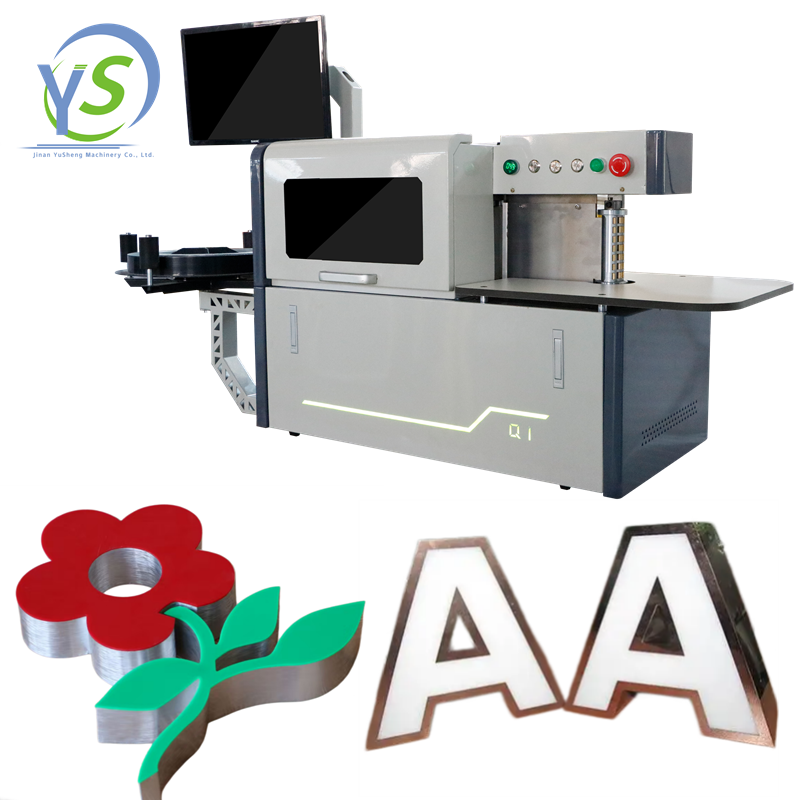
Aluminum coil is the mainstream raw material for luminous channel letters, yet different sign projects adopt aluminum with different hardness, thickness and surface coatings, which is the primary standard for machine selection.
- Thickness range support: Most small and medium sign factories process aluminum coils of 0.6mm–1.2mm for storefront signage, mall advertising letters. If you undertake large outdoor billboard letters, customized architectural decorative letters, choose bending machines supporting 0.5mm–2.0mm thick aluminum coils. Avoid cheap narrow-range benders that jam or crack aluminum sheets when bending thick materials.
- Surface adaptability: Coated aluminum coils, brushed aluminum, anodized aluminum are widely used in high-end signage. Premium CNC bending machines are equipped with polyurethane pressing rollers instead of all-metal rollers to prevent scratching aluminum surfaces during feeding and bending, greatly reducing defective rate of finished channel letters.
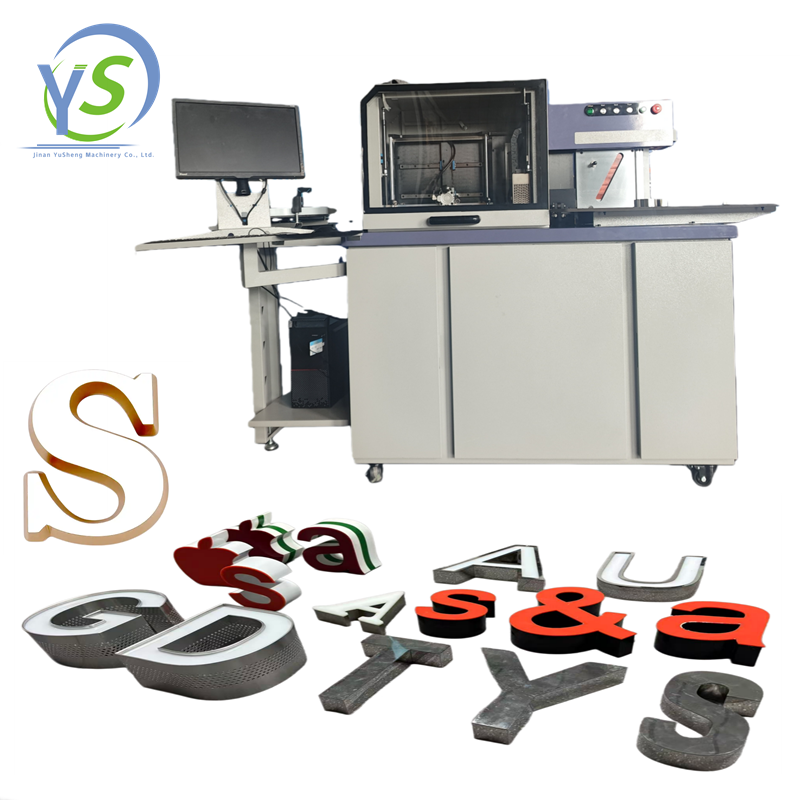
- Multi-material expansion capability: To expand business later (stainless steel letters, galvanized metal letters), select a versatile CNC bender compatible with soft aluminum, stainless steel strips and iron coils. Single-function aluminum-only bending machines limit business expansion in the long run.
2. Core CNC Configuration Decides Bending Precision & Stability
Precision is the soul of channel letter production. Uneven bending angles, irregular letter corners will lead to poor light leakage after installing LED strips, directly causing customer complaints and rework losses. Focus on these CNC configurations when comparing models in 2026:
2.1 Servo Drive System
Entry-level benders use stepper motors with obvious angle errors during continuous long-hour work. Formal commercial-grade CNC aluminum bending machines adopt full servo motors for feeding, bending and cutting axes. Positioning accuracy reaches ±0.02mm, ensuring consistent bending angles at every letter corner, perfect splicing of letter joints without gaps.
For daily output below 300 sets of channel letters, dual-servo configuration meets demands; factories with daily output over 500 letter sets need triple-servo linkage systems for stable high-speed operation.
2.2 Control System & Operation Threshold
Two mainstream control solutions occupy the market in 2026: independent industrial touchscreen systems and computer-connected CNC control systems.
- Touchscreen standalone control: No extra computer required, workers import letter DXF files via USB directly on the machine, edit bending parameters on-site. Friendly for small sign shops with only 1–2 operators and limited technical staff.
- PC linkage control: Supports batch importing thousands of letter files at once, suitable for large advertising factories with centralized programming workshops and mass production orders. Prioritize equipment with simplified English operating interface and built-in common letter parameter templates (square corners, round corners, special arc letters). New workers can master basic operation within 1–2 days, cutting training costs sharply.
2.3 Feeding Structure
Automatic straightening + feeding integrated structure is standard in 2026 new models. Aluminum coils easily bend and warp after long storage; integrated straightening rollers flatten deformed aluminum strips before bending, avoiding distorted letter shapes.
3. Match Machine Size & Production Capacity to Your Actual Order Volume
Overbuying oversized industrial machines wastes workshop space and electricity costs, while undersized equipment becomes a production bottleneck during order peaks. Classify selection standards by business scale:
- Home workshop / startup sign shop (daily output ≤200 letter sets) Desktop mini CNC aluminum coil bending machine, occupied area ≤1.8㎡, single-phase 220V power supply, no need for factory three-phase electricity. Covers daily retail signage orders perfectly with low investment and flexible movement.
- Medium sign factory (daily output 200–600 letter sets) Floor-type standard bender, three-phase power supply, continuous non-stop working for 10+ hours every day, supports automatic cutting after bending to improve production speed.
- Large advertising manufacturer (daily output over 600 letter sets) Automatic production line type bending machine, matched with automatic slotting machine, welding station to form an automated channel letter production line, suitable for undertaking chain brand signage bulk orders.
4. Key Practical Functions Worth Investing In
Skip fancy useless add-ons, focus on practical functions that reduce defective products and save labor:
- Automatic arc bending function: Essential for circular letters, curved logo letters, shop sign curved characters; old manual bending machines struggle to form smooth arcs and produce jagged edges.
- Built-in error correction program: Automatically compensates feeding errors caused by aluminum coil tension changes during continuous work, lowering manual intervention frequency.
- Fast mold switching design: Different letter heights (6cm, 8cm, 10cm, 15cm channel letter sides) need different molds. Quick-release molds allow mold replacement within 3 minutes instead of traditional 15–20 minutes disassembly.
- Noise reduction structure: If your workshop is in a commercial building or residential area, pick a noise-reduced sealed body bending machine to avoid noise complaints.
5. Check After-Sales Service & Global Support (Critical for Overseas Buyers)
Most sign business owners overlook after-sales support until machine breakdown halts production. For global buyers importing CNC bending machines from China, Turkey or other manufacturing countries in 2026, verify these service terms before payment:
- Does the supplier provide English electronic operation manuals, maintenance videos and remote online debugging service? Cross-border on-site maintenance takes 3–7 days normally; remote troubleshooting solves 80% of common faults instantly.
- Are wearing parts (feeding rollers, cutting blades, servo belts) universally available for purchase locally or shipped globally with short lead time? Custom exclusive spare parts will cause long production shutdown once damaged.
- Warranty policy: Formal manufacturers offer 1–2 year warranty for core servo motors and control systems. Avoid merchants providing only 3-month short warranty.
6. Budget Allocation Tips in 2026
Price gaps of CNC aluminum coil channel letter bending machines mainly come from servo configuration and control system, refer to reasonable budget ranges:
- Entry mini model (home startup use): $3,200 – $5,800
- Medium commercial servo model (most sign shops choose this): $6,000 – $12,500 (highest cost-performance ratio for 90% advertising enterprises)
- Industrial automatic production line bender: $13,000 and above
Do not blindly pursue the cheapest option. Cheap benders equipped with stepper motors frequently produce defective letters, and rework costs within half a year often exceed the money saved on machine purchase.
7. Red Flags to Avoid When Purchasing
- Merchants claim “all materials free bending” without distinguishing material thickness; such machines usually bend stainless steel with serious deformation.
- No physical factory inspection support, only selling machines through trading companies without technical teams.
- Too many optional paid functions, basic version lacks arc bending and automatic straightening core functions.
- Cannot provide real workshop production videos and finished channel letter samples made by the same machine.
Final Conclusion
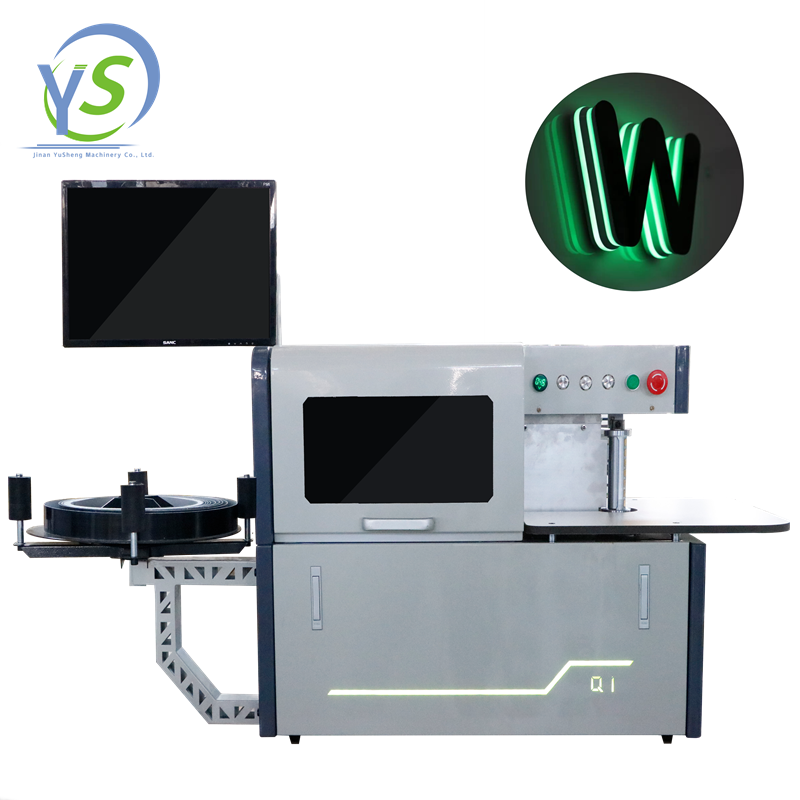
In 2026’s competitive channel letter signage industry, the core logic of selecting a CNC aluminum coil channel letter bending machine is matching equipment performance with your order type, daily output and long-term business planning.
Small startups can start with mini servo bending machines to control initial investment; medium-sized sign factories prioritize full-servo precision models with multi-material compatibility to cope with diversified signage orders; large manufacturers configure automated bending production lines to enhance bulk order delivery capacity.
Combine material adaptability, CNC precision configuration and global after-sales support for comprehensive evaluation, and you can avoid purchasing traps and pick a bending machine that steadily creates benefits for your sign business for 5–8 years.

