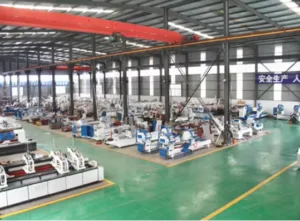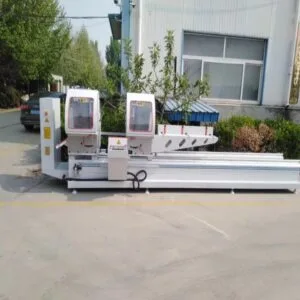
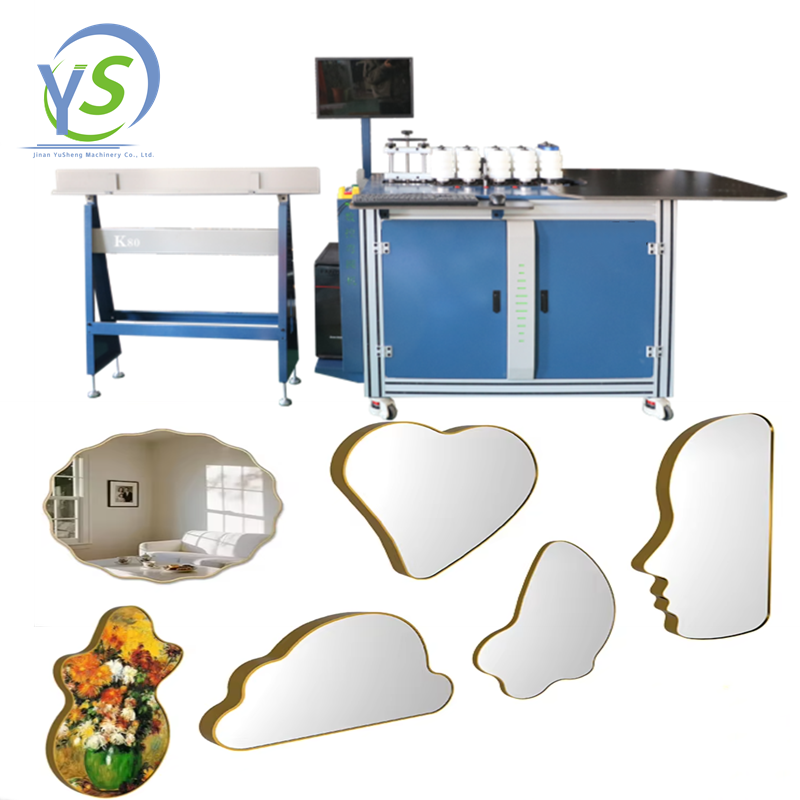
The advertising light box sector keeps raising higher standards for metal frame fabrication. Sign makers and light box manufacturers are no longer satisfied with simple bent profiles. Today’s market calls for tight tolerances, consistent surface finish, fast batch production, and clean edges for mirror LED light frames, slim backlit signs, and outdoor advertising enclosures. This shift directly fuels the demand for reliable CNC automatic bending machines and metal frame roll forming equipment.
Traditional manual bending or basic press brake operations struggle with several common pain points in light box frame production. Operators spend extra time adjusting fixtures for each profile. Dimension deviations easily occur across workpieces, which leads to uneven assembly gaps on LED mirror frames. Scratches, distortion, and inconsistent corner joints become frequent complaints, especially for thin aluminum profiles widely used in slim light boxes. For large-volume orders, low manual output also delays delivery schedules and cuts profit margins.
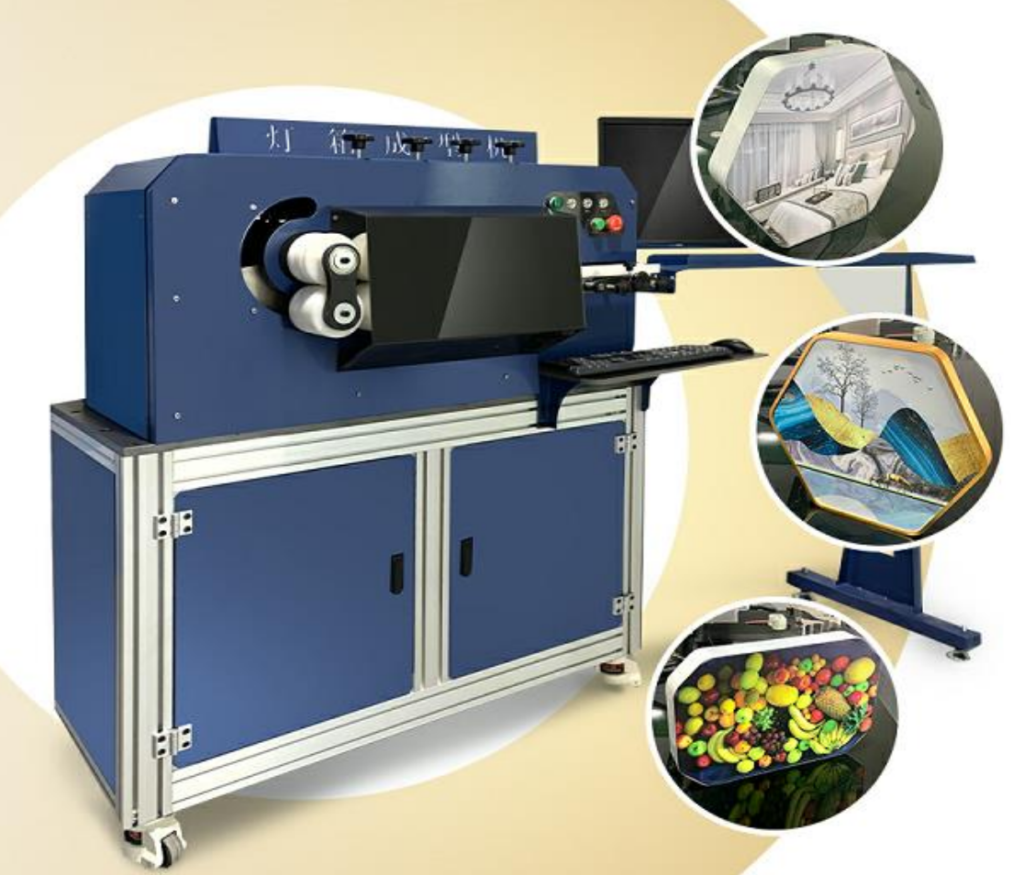
A CNC automatic bending machine solves most precision bending challenges for advertising light box frames. Programmed CNC control allows operators to save multiple bending recipes for different frame sizes and profile shapes. Once parameters are set, the machine repeats bends with stable accuracy, reducing human error. It handles thin aluminum and stainless steel profiles smoothly, preserving the metal surface for mirror LED light frames that require high cosmetic quality. Quick program switching makes it suitable for both small custom batches and medium mass production, ideal for sign factories that take mixed orders from advertising agencies.
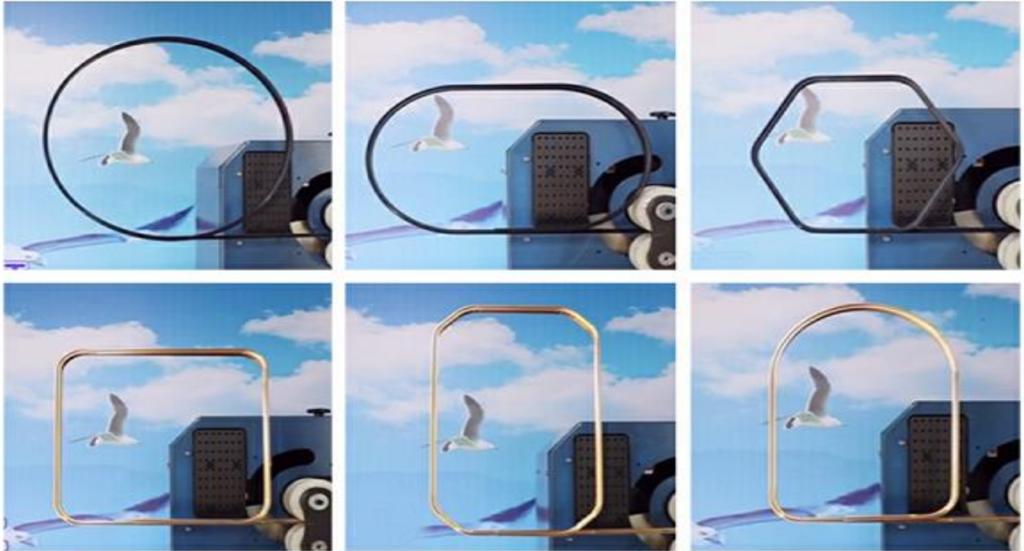
When manufacturers focus on high-volume continuous production of standard light box frames, a metal frame roll forming machine delivers better efficiency. Unlike discrete bending processes, roll forming shapes flat metal strips into finished frame profiles in one continuous pass. It maintains uniform cross-section along the whole length of the profile, which is critical for long LED light box borders. Integrated cutting and punching options can be added inline to produce pre-notched frames ready for assembly. This equipment shines for standard mirror LED light frame lines where thousands of identical profiles are needed monthly.
Many factories combine both technologies to expand their production capacity. Roll forming machines churn out standard profiles rapidly, while the CNC automatic bending machine handles custom frame shapes, special corners, and non-standard sizes. This hybrid setup gives light box manufacturers great flexibility: mass-produce regular frames at low cost, and quickly respond to custom sign projects with precise bending.
Material selection also impacts machine performance. Aluminum alloy is the top choice for most mirror LED advertising frames due to its lightweight property and easy surface treatment. Stainless steel options are chosen for weather-resistant outdoor light boxes. Both CNC bending and roll forming machines can be configured with customized rollers, tooling and clamping systems to match the material thickness and profile geometry.
What factors should buyers evaluate before purchasing? First, check the working accuracy and repeat tolerance, which directly affects frame assembly quality. Second, confirm compatibility with your target materials and profile dimensions. Third, assess software usability: user-friendly CNC systems lower operator training time. After-sales support and spare parts availability are equally important for overseas buyers, to minimize downtime in sign production lines.
As LED advertising displays and mirror light boxes continue to grow globally, metal frame fabricators need production equipment that balances precision, speed and flexibility. CNC automatic bending machines are the go-to option for custom, high-precision light box frames, while roll forming machines dominate mass production of standard LED metal profiles. Choosing the right machine or combination will help advertising frame manufacturers meet tight quality requirements, shorten lead times and stay competitive in the sign industry.