
Introduction
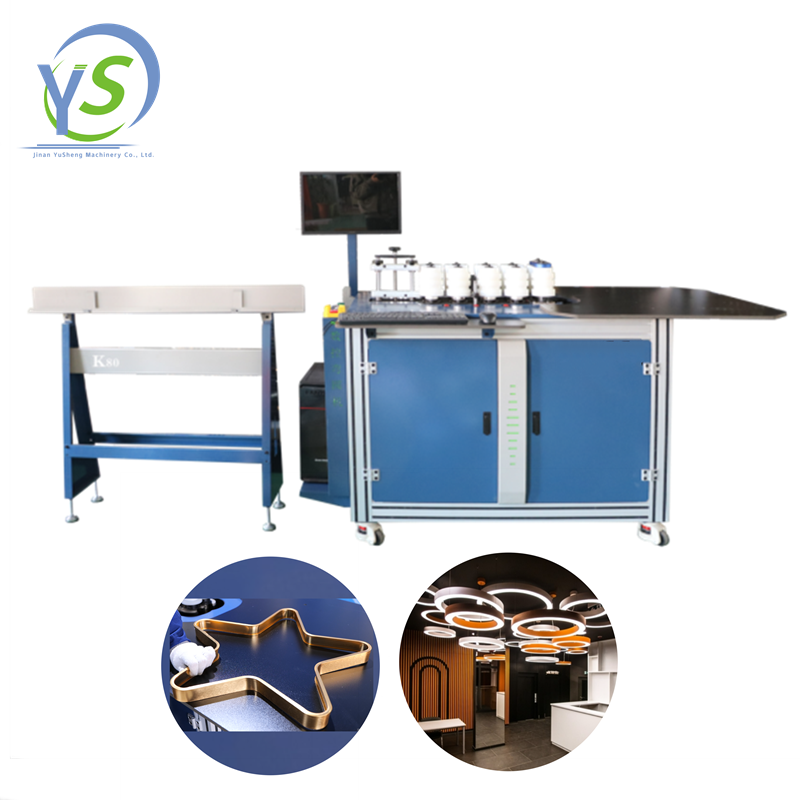
Running a metal framing workshop focused on aluminum light boxes and mirror frames means your bidirectional CNC bending machine sits at the heart of production.
Consistent precision on thin aluminum profiles directly impacts frame uniformity, product appearance and customer acceptance.
Many operators only fix issues after faults appear, ignoring simple daily upkeep. Poor routine maintenance leads to dimensional errors, noisy operation, premature part wear and unplanned production stops.
This hands-on daily maintenance guide covers critical checkpoints for your bidirectional aluminum light box mirror frame CNC bending machine. It is written for workshop technicians, production managers and machine operators working with aluminum profile bending equipment.
1. Pre-Shift Daily Inspection (Before Starting the Bidirectional CNC Bending Machine)
Start every workday with a 10-minute visual and functional check.
- Clean aluminum chips, residual lubricant and dust around bending dies, guide rails and bidirectional sliding assemblies. Scattered aluminum debris can scratch profile surfaces and jam moving parts.
- Inspect all pneumatic connections, air pipes and pressure gauges. Confirm stable air pressure for clamping units used on aluminum light box and mirror frame profiles.
- Check the bending mould surface for scratches, dents or built-up aluminum residue. Damaged dies create marks on finished mirror frame edges.
- Verify emergency stop buttons, safety sensors and protective covers are fully functional.
- Run an idle test cycle without loading profiles to observe abnormal vibration, shaking or strange noise from bidirectional drive axes.
Target Keyword naturally embedded: Proper pre-shift inspection of your bidirectional aluminum light box mirror frame CNC bending machine eliminates most avoidable bending defects.
2. Lubrication: The Most Overlooked Maintenance Step
Bidirectional sliding structures and linear guides rely on stable lubrication to maintain long-term bending accuracy.
- Apply recommended industrial lubricant to linear guide rails, ball screws and bidirectional moving sliding components every working day.
- Do not over-lubricate. Excess oil attracts aluminum dust and forms sticky sludge that hinders movement.
- Wipe overflow lubricant away from the bending working table to prevent staining raw aluminum profiles.
- Avoid mixing different types of grease or oil, which causes chemical coagulation and accelerates component wear.
3. Mid-Shift Quick Check During Continuous Production
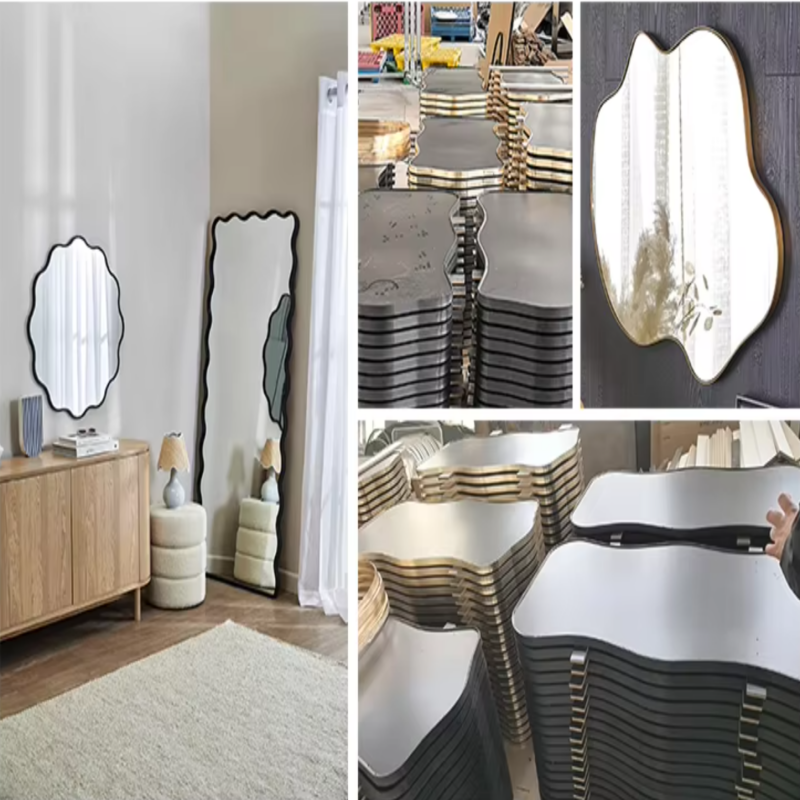
When mass-producing aluminum light box frames and mirror frames, pause briefly after 4–6 hours of continuous operation.
- Check clamping jaws for wear. Loose clamping leads to profile shifting and inconsistent bending angles.
- Monitor CNC display for repeated position deviation alarms. Minor position drift signals potential screw or guide wear.
- Clear accumulated aluminum scraps underneath the worktable to prevent heat buildup.
- Confirm cooling circulation system works normally if your bidirectional CNC bending machine is equipped with cooling units.
4. Post-Shift Cleaning & Shut-Down Procedures
Never skip post-work cleaning; it protects equipment overnight and reduces startup issues the next morning.
- Fully power down the machine and cut off air supply.
- Thoroughly remove aluminum filings from bending zone, bidirectional travel tracks and tool holders.
- Wipe mould surfaces and coat with anti-rust agent if the workshop has high humidity.
- Reset axes to the home position to release long-term mechanical tension on bidirectional driving parts.
- Cover the work area with dust-proof cloth if the workshop faces heavy dust pollution.
5. Common Faults Triggered by Neglecting Daily Maintenance
Many recurring problems on aluminum profile bending machines stem from incomplete daily care:
- Unstable bending angles and uneven mirror frame forming
- Bidirectional axis positioning errors causing rejected aluminum light box frames
- Increased friction noise and slow axis movement
- Early aging of seals, air leakage and weak clamping force
- Surface scratches on finished aluminum profiles caused by metal debris
Timely daily maintenance drastically cuts scrap rates and lowers expensive spare part replacement costs.
6. Additional Practical Tips for Bidirectional Aluminum Light Box Mirror Frame CNC Bending Machine Operators
- Record daily inspection status in a maintenance log. Track abnormal noise, pressure fluctuations or positioning deviation trends.
- Train new operators to follow the same checklist. Different operating habits accelerate machine wear.
- Avoid processing over-thick or hard alloy aluminum profiles beyond the machine’s rated parameter range. Overload damages bidirectional transmission systems permanently.
- Schedule weekly deep maintenance based on daily records, including precision calibration of bending angles and axis positioning.
Conclusion
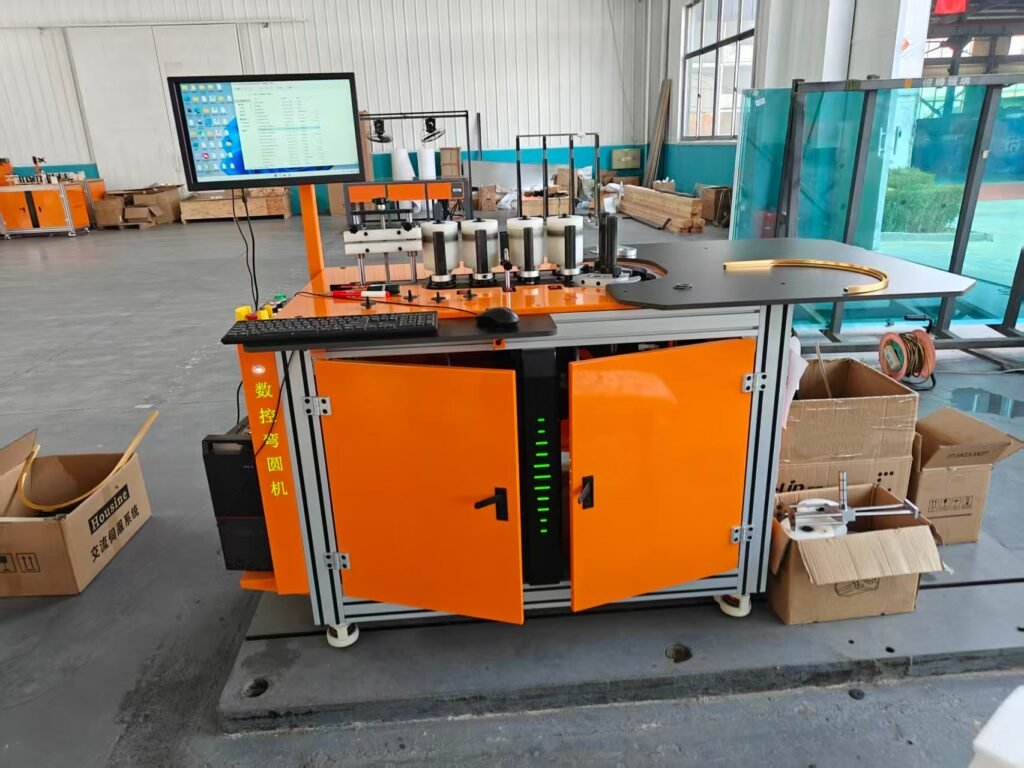
Your bidirectional aluminum light box mirror frame CNC bending machine delivers stable accuracy only when supported by standardized daily maintenance.
Simple, consistent daily checks, cleaning and lubrication require little time but effectively extend machine service life, stabilize aluminum frame bending quality and reduce unexpected production downtime.
Build a fixed daily maintenance workflow for your workshop team. Small daily efforts prevent large, costly equipment failures in the long run.

