
The integration of multifunctional forming machines has revolutionized both decorative and structural manufacturing sectors. This article explores the technical synergy between photo frame forming machines, aluminum house framing systems, and sheet metal bending equipment, highlighting their cross-industry applications and evolving capabilities.
1. Photo Frame Forming Machines: Precision Meets Aesthetics
Modern aluminum frame production leverages automated bending and cutting systems capable of creating intricate profiles for picture frames, mirror borders, and LED panel enclosures. Key advancements include:
- Customizable Dies: Machines like automatic lamp aluminum frame benders (noted in Chinese supplier listings) achieve arc angles from 30° to 360° for decorative designs.
- Material Versatility: Glossy finishes and fingerprint-resistant coatings address limitations of traditional wood frames while maintaining structural integrity. Industrial implementations in hotels prioritize sleek, durable finishes.
2. Aluminum House Framing: Bridging Construction and Manufacturing
The overlap with architectural applications is evident in:
- 3D-Printed Housing Comparisons: While concrete 3D-printing remains cost-prohibitive, aluminum framing offers lightweight, corrosion-resistant alternatives for modular homes. Suppliers like Flamingo Industry & Technology provide ISO-certified extrusion systems.
- Energy Efficiency: Lead-free glass-ceramic dielectrics (recently researched for photonics) could inspire thermally insulating composite frames for sustainable buildings.
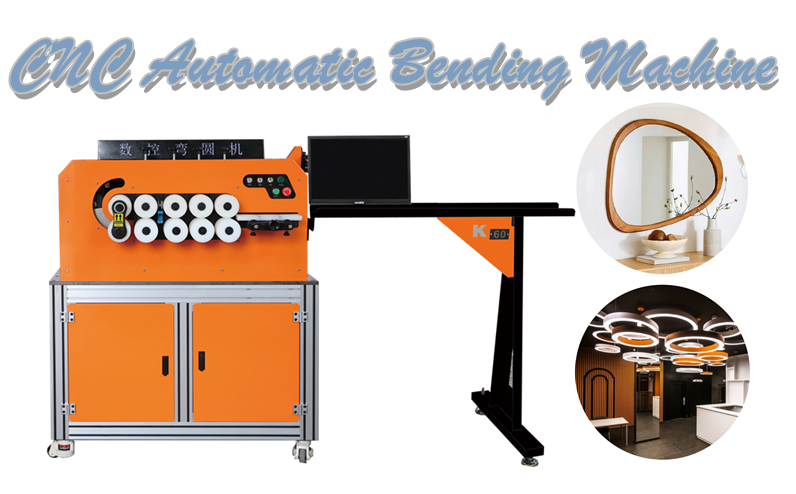
3. Sheet Metal Bending Machines: Cross-Sector Adaptability
These systems unify both domains through:
- Multi-Tool Configurations: Hydraulic press brakes process everything from photo frame edges to HVAC ducts, with CNC-controlled angle precision down to ±0.1°.
- Scalability: Chinese manufacturers offer machines for pet cages, luggage frames, and window casings, emphasizing modular tooling swaps.
Future Outlook:
The convergence of these technologies points toward hybrid factories where a single machine line serves artisanal and industrial clients. Challenges include balancing cost (e.g., 3D-printing’s current premium) with demand for bespoke designs—a niche where aluminum’s malleability excels.

