
In the world of metal fabrication, especially when working with profiles for frames and light boxes, precision is everything. A single inaccurate bend can ruin an entire batch of materials, costing both time and money. That’s where a high-performance CNC automatic bidirectional bending machine becomes not just a tool, but a game-changer for your workshop.
If you’re looking to elevate your production quality and streamline your workflow, let’s dive into what makes this specific type of machinery a superior choice.
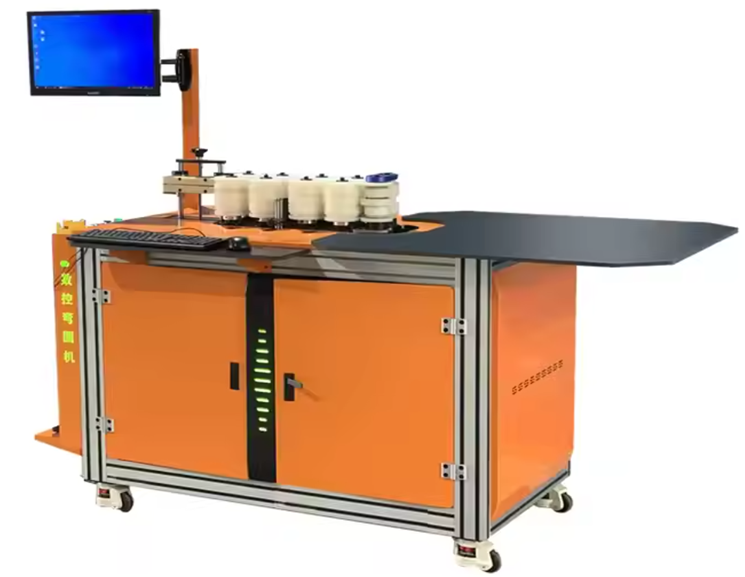
Why “Bidirectional” Matters for Complex Profiles
Traditional bending machines often require manual rotation or multiple setups to achieve bends in different directions. This not only slows down production but also introduces opportunities for human error.
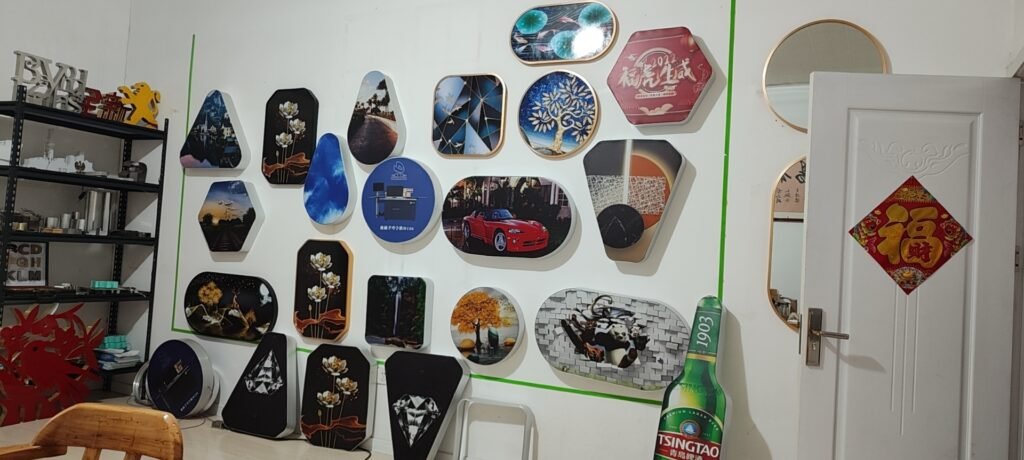
A bidirectional bending machine solves this elegantly. It can process various aluminum and steel profiles with bends in two directions seamlessly. This capability is absolutely critical for industries that rely on complex joins, such as:
- Light box materials: Where precise 45-degree corners are non-negotiable.
- Picture frame and metal frame manufacturing: Requiring consistent angles for a perfect fit.
- Fabric light box systems: Demanding sturdy and accurate structural components.
- Specialty mirror frames: Often involving unique and intricate shapes.
By automating this bi-directional capability, you ensure that every piece leaving your shop is identical to the last.
Built for Stability: The Carbide Advantage
When we talk about heavy-duty machinery, the build material dictates the lifespan and accuracy of the equipment. Many standard machines use conventional steel structures that can vibrate or flex under pressure over time.
This machine features a whole structure made of carbide. This isn’t just a fancy upgrade; it provides significantly better stability. A stronger, more rigid body means less vibration during the bending process, which directly translates to higher precision and a longer operational life for the machine. You aren’t just buying a bender; you’re investing in a stable platform that maintains its integrity year after year.
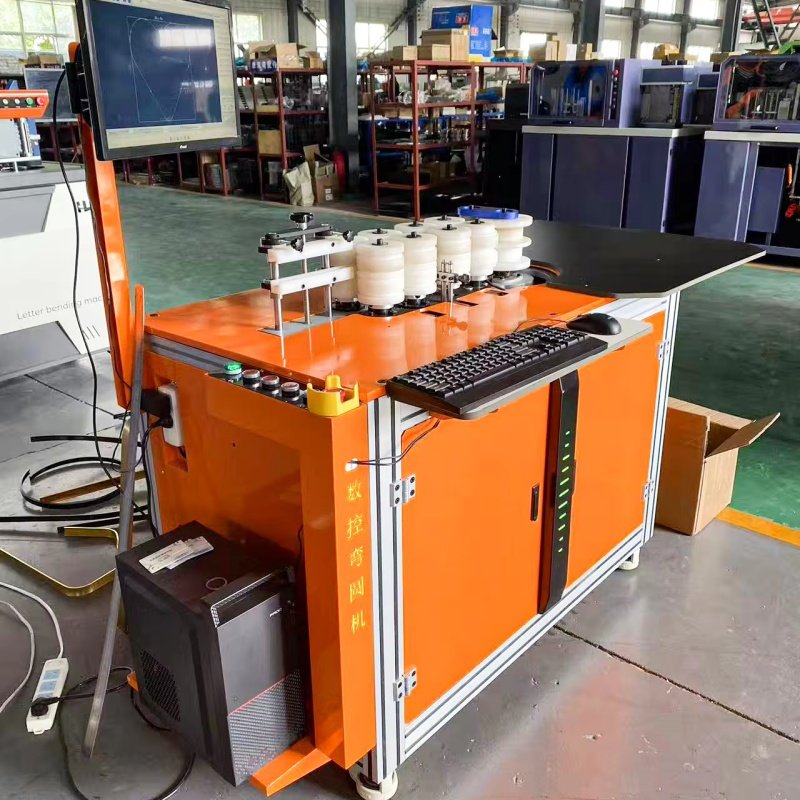
Smart CNC vs. Traditional PLC: A Leap in Efficiency
We’ve all dealt with clunky, outdated interfaces that make programming a headache. Moving away from traditional PLC operations to a dedicated CNC operating system offers a smarter, more intuitive experience.
Unlike basic PLCs, a modern CNC system allows you to execute far more complex processes with ease. It handles the calculations and coordination required for difficult bends, allowing you to focus on design and output rather than troubleshooting code.
Furthermore, this machine comes equipped with a self-developed operating system. Unlike open-source systems that can be vulnerable or inconsistent, a proprietary system is tailored specifically for the hardware. This results in a safer, more user-friendly interface that feels designed for the operator, not just the engineer.
Ready-to-Run Out of the Box
One of the most frustrating aspects of purchasing industrial machinery is the “hidden” costs—the essential accessories you need to buy separately to get the machine running.
We believe in simplicity. This CNC profile bending machine comes complete with a computer and a feeder rack right from the factory. There is no need to source these separately or worry about compatibility issues. It’s a complete solution designed to meet user needs immediately upon arrival, getting you from unboxing to production in record time.
Superior Straightening: The 5-Roller Difference
The quality of your final product depends heavily on how the material is fed into the machine. If the profile wobbles or twists even slightly before the bend, the angle will be off.
To combat this, this machine is equipped with five pairs of nylon rollers. Compare this to ordinary machines that use three or four pairs of plastic rollers, and the difference is clear. The additional roller set, combined with durable nylon construction, ensures your materials are fed straighter and held more securely. This leads to:
- Higher precision in every bend.
- Reduced material waste from misfeeds.
- Less wear and tear on the rollers themselves compared to standard plastic.
Conclusion
Upgrading your fabrication capabilities doesn’t have to be complicated. By choosing a machine that combines a robust carbide structure, intelligent CNC controls, and thoughtful features like a 5-roller feeding system, you are setting your business up for success. Whether you are crafting high-end picture frames or industrial light box structures, precision and efficiency are now at your fingertips.

