
If you run a signage workshop, mirror‑fabrication shop or light‑box production facility, choosing the right aluminum profile bending machine directly impacts your output quality, labour cost and ability to take custom orders. Many buyers get stuck picking between single‑direction and double‑direction CNC bending machines for LED mirror frames and light box borders. Both can bend aluminum extrusions, yet they differ widely in workflow, shape capability and long‑term production suitability. This article breaks down their real‑world pros, cons and practical buying advice, so you can match equipment to your actual shop requirements.
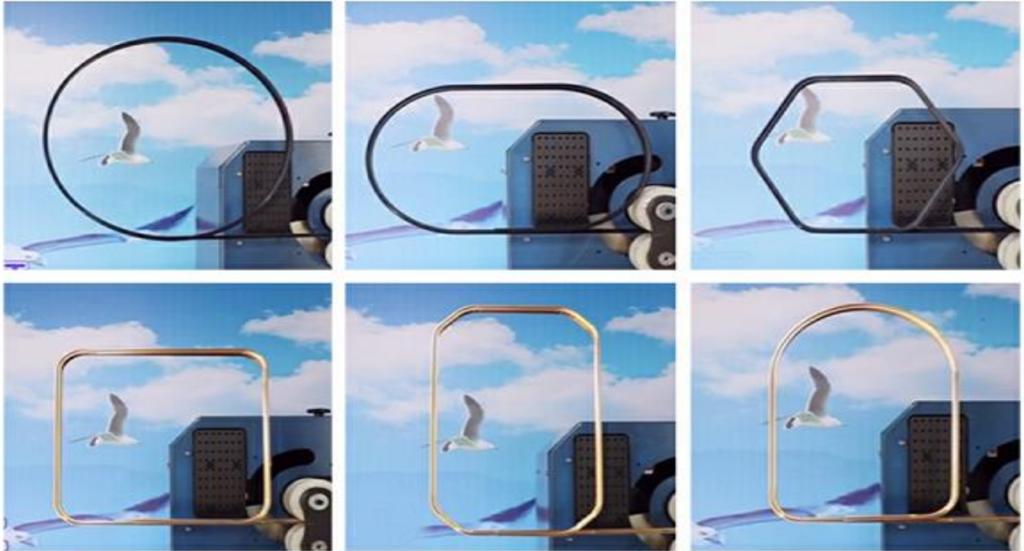
What Are Single‑Direction and Double‑Direction Bending Machines?
These CNC devices are purpose‑built for thin‑wall aluminum profiles widely used in backlit bathroom mirrors, decorative LED mirror frames, fabric light boxes and advertising sign borders.
Single‑direction bending machine
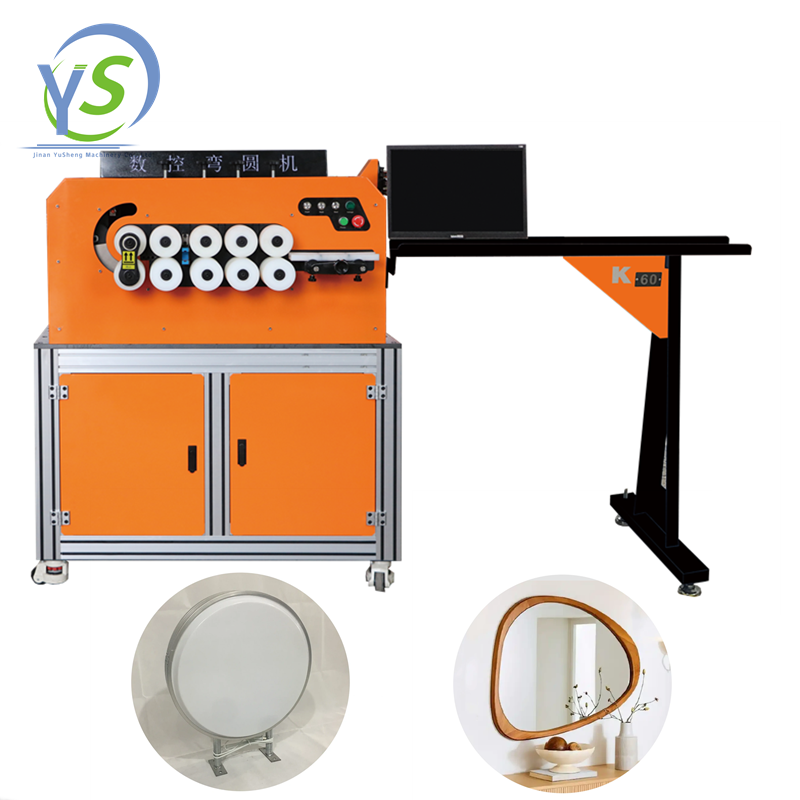
It executes bending along one rotational axis only. To form reverse arcs, S‑curves or closed loop frames, operators must manually flip, re‑position and re‑clamp the aluminum profile mid‑run. Simple rounded rectangles or one‑way curved frames are its sweet spot.
Double‑direction (bidirectional) bending machine
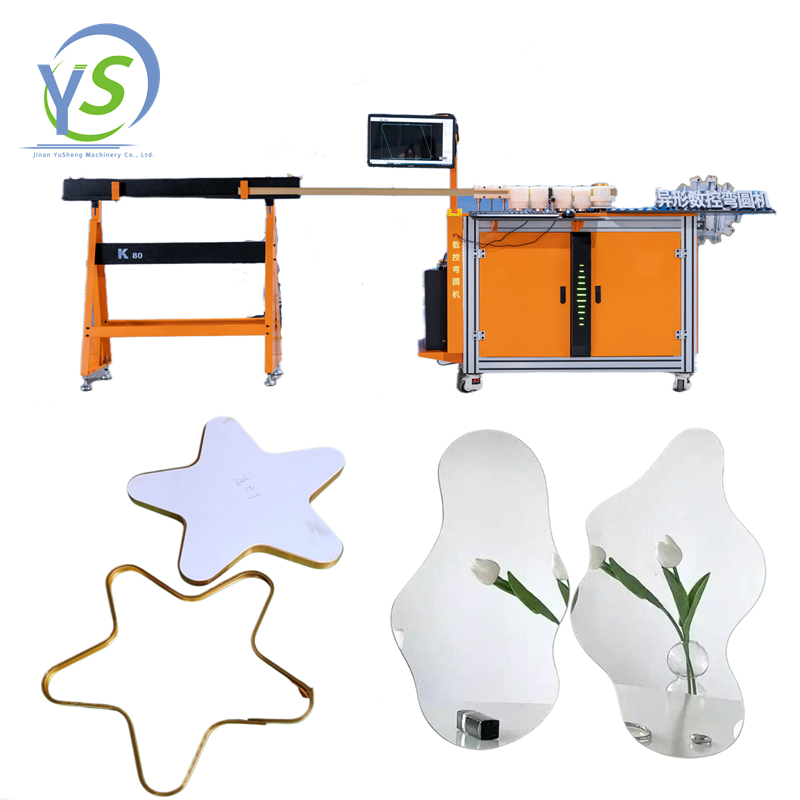
Servo‑driven rollers support both clockwise and counter‑clockwise bending without manual workpiece flipping. Complex contours, S‑shapes, irregular closed frames and mixed‑radius mirror borders can be completed in one continuous CNC program pass. Import CAD drawings directly, and the machine handles forward and reverse bends automatically.
Core Practical Differences In Production
1. Supported Frame Shapes
- Single‑direction: Works well for simple arched mirror frames, regular rounded rectangles and light‑box borders with arcs bending to one side. Complex asymmetrical shapes require multiple manual re‑fixtures, increasing risk of dimension drift and surface scratching on finished aluminum profiles.
- Double‑direction: Handles full‑range geometries: wavy mirror outlines, star‑shaped light‑box frames, S‑curve decorative borders and free‑form closed loops. Perfect for modern custom LED mirror orders where irregular frame designs dominate customer requests
2. Workflow & Labour Demand
Single‑direction units cost less upfront, but every reverse bend step calls for operator intervention. For custom batches, re‑clamping adds significant cycle time. Human handling also introduces cumulative positioning errors, leading to gaps at frame joints, light leakage on LED mirror assemblies and higher scrap rates of finished aluminum profiles.
Double‑direction machines run most jobs with one‑time material loading. Once the CNC program is set, the machine completes all bending sequences. One operator can oversee multiple units, which drastically cuts down repetitive manual work and lowers human‑caused defects.
3. Precision & Finished‑Frame Quality
Both machine types deliver good results for basic round‑corner frames. When it comes to multi‑curve custom work, however, the gap becomes obvious.
With repeated repositioning, single‑direction setups struggle to hold consistent radius tolerance across complex profiles. Misaligned joints create visible gaps on LED mirror frames, ruining the back‑lighting effect and triggering customer rejections.
Bidirectional models maintain unified datum throughout the whole forming process. Tight, gap‑free joints help LED mirrors and light boxes avoid light bleeding, which is critical for high‑end decorative mirror product quality.
4. Price, Maintenance & Operating Threshold
- Single‑direction: Lower initial investment. Mechanical structure is simpler, spare‑part replacement is cheap, and maintenance barriers are low. Best for small workshops focusing mostly on standard‑spec mirror and light‑box orders with limited custom‑shape volume.
- Double‑direction: Higher machine purchase cost. Servo‑driven dual‑direction roller systems require basic CNC training for operators. Still, many fabricators find the investment pays off via reduced scrap, fewer post‑processing steps and ability to accept high‑margin custom frame projects.
Which One Should You Choose?
Pick Single‑Direction Bending Machine If:
- Most of your output is standard rounded‑rectangle LED mirror frames and regular light‑box borders
- Custom‑shape orders make up a small share of your business
- You have a tight equipment budget and already have skilled operators for manual profile re‑positioning
- Production volume is low‑to‑medium, and you can absorb extra post‑processing work
Pick Double‑Direction Bending Machine If:
- Custom‑designed LED mirrors, irregular decorative frames and special‑shape light boxes are key revenue streams
- You want to cut scrap loss and reduce heavy manual re‑clamping work
- You aim to win high‑end decorative mirror and signage orders that demand seamless frame joints
- Your shop plans to expand product portfolio without outsourcing complex bending work to third‑party metal fabricators
Final Takeaway
Neither machine is universally superior. The single‑direction bending machine remains a cost‑effective entry solution for standardized aluminum LED mirror‑frame production. The double‑direction model unlocks far greater design flexibility, higher consistency and better throughput for custom‑oriented fabricators.
Before placing an order, review your order mix: calculate how many jobs require reverse bends or complex closed contours. Match your machine selection to real‑order profiles, rather than just chasing the lowest price or the most feature‑rich hardware. If you are sourcing, confirm profile compatibility, minimum bending radius, after‑sales technical support and spare‑part availability with your machinery supplier.

