
Running a sign‑making or metal frame workshop means balancing custom orders, tight lead times, and thin profit margins. Many small‑to‑mid size fabricators struggle with common pain points: high material waste from manual bending, slow turnaround for complex curved profiles, and reliance on skilled veteran operators who are hard to retain. This is where a CNC bidirectional aluminum profile bending machine changes the game for day‑to‑day production and bottom‑line results.
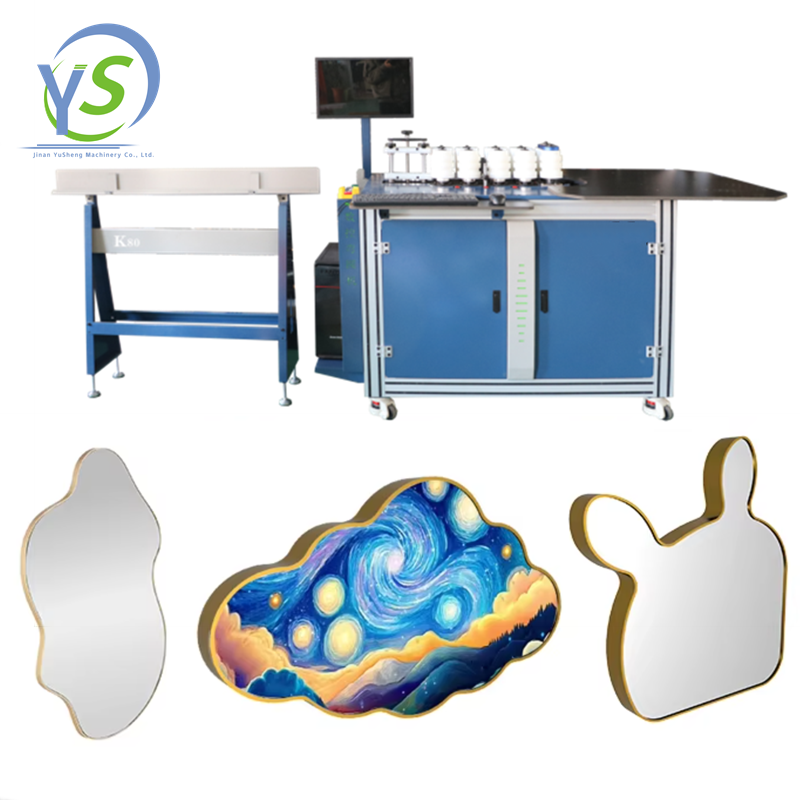
Traditional manual or single‑direction bending equipment creates visible bottlenecks for sign and frame businesses. When producing curved aluminum sign borders, architectural frame trims, or circular window casings, old‑style machines often require multiple re‑clamping steps. Each reposition adds labour time, introduces positioning errors, and generates scrap when profiles come out uneven. For custom sign jobs, reworking defective profiles eats directly into profits, especially on low‑margin bulk orders. Shops either absorb these extra costs or risk losing clients by passing price increases downstream.
A CNC bidirectional aluminum profile bending machine solves these frustrations by enabling forward and reverse bending in one single clamping setup. Operators load the aluminum profile once, input dimension data via the CNC control panel, and the machine completes multi‑arc, S‑shaped, closed‑loop and circular bends without re‑fixing the workpiece. Less handling means fewer human‑caused mistakes and drastically lower scrap rates. For sign workshops handling frequent custom curved sign frames, reduced material waste alone delivers measurable margin gains month over month.
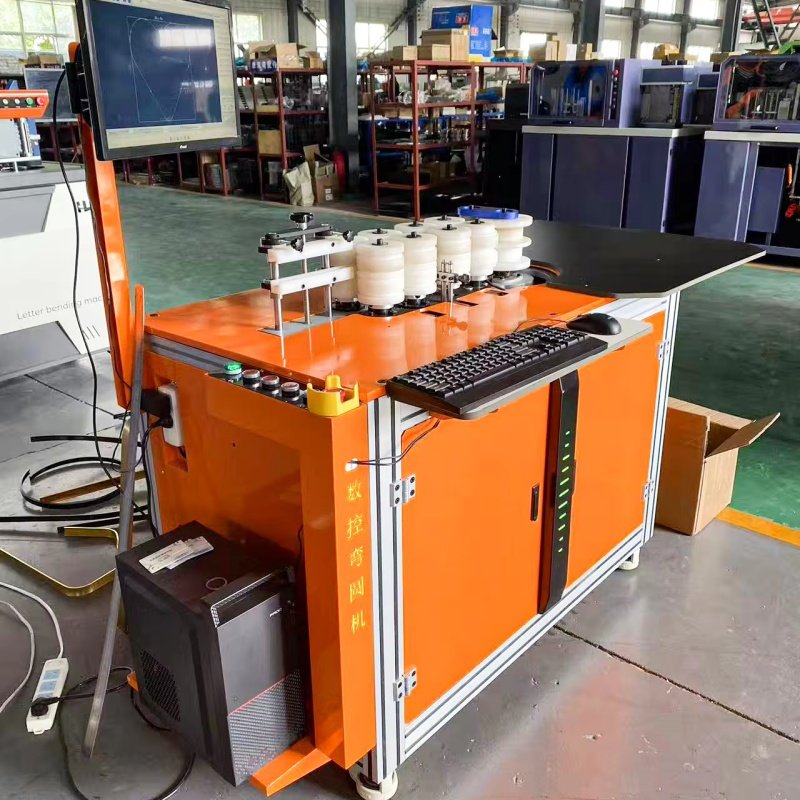
Speed is another critical profit driver. Sign and frame customers increasingly demand fast delivery for retail signage, exhibition frames and decorative architectural trim. Conventional bending processes can take hours for one complex curved piece. With bidirectional CNC bending, the same profile finishes within minutes. Workshops can take on more orders within existing working hours, without expanding floor space or hiring extra skilled bend operators. Less waiting between steps also shortens overall order lead time, helping shops win more competitive bids against slower competitors.
Consistent output directly supports better pricing power. Hand‑bent aluminum profiles often have slight differences from batch to batch. Customers in signage and architectural framing expect uniform curvature, smooth surface finish and precise joint fit for assembly. The CNC bidirectional bending unit maintains repeatable accuracy across hundreds of pieces. Every curved sign border matches drawing specifications. Fewer rejected finished parts mean fewer after‑sales complaints and re‑deliveries. Reliable quality lets workshops confidently quote premium prices for high‑end custom curved frame projects, instead of competing only on rock‑bottom rates.
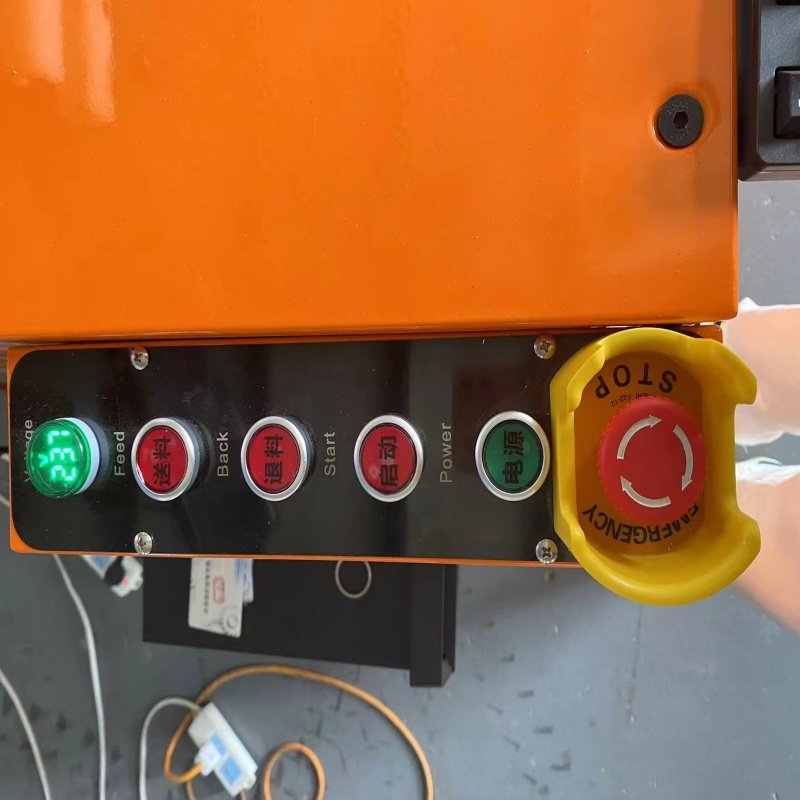
Many workshop owners worry CNC equipment brings a steep learning curve. Modern bidirectional aluminum benders are built for real‑world sign and frame production. Operators do not need advanced programming backgrounds. Pre‑saved job templates store common sign radii and frame profiles. New custom parameters can be entered quickly. Existing staff can master core operations after basic training, removing dependence on a small pool of highly experienced bending technicians. This protects production continuity and cuts long‑term labour risk.
Of course, machinery alone cannot fix every operational challenge. Shops still need reasonable material sourcing and solid project management. Yet for businesses regularly producing curved aluminum sign rims, display frames and decorative architectural profiles, upgrading from legacy bending tools creates compounding financial benefits: lower scrap cost, higher daily output, stable part consistency, reduced labour pressure and stronger competitive positioning.
For sign and frame workshops aiming to lift profit margins, investing in a CNC bidirectional aluminum profile bending machine is not just buying new hardware. It is an operational upgrade that turns complex custom bending work from a headache into a profitable competitive advantage.

