Whether you’re crafting curved curtain walls for skyscrapers, forming sleek automotive body trims, or producing custom sign letters, aluminum has become the material of choice across modern manufacturing. Lightweight, durable, and highly malleable, extruded aluminum profiles are everywhere.
However, turning straight aluminum extrusions into complex curved components with tight tolerances is a technical challenge. That’s where aluminum profile bending and cutting machines come in.
In this article, we’ll explore how these advanced CNC-powered machines work, why they are essential for modern workshops, and how choosing the right equipment can transform your production efficiency.
What Is an Aluminum Profile Bending & Cutting Machine?
An aluminum profile bending and cutting machine (often referred to as a stretch bender, roll bender, or profile processing center) is designed to shape extruded aluminum bars, channels, and hollow tubes into precise radial angles without causing material wrinkling, twisting, or structural failure.
Modern machines often integrate two primary functions:
- Precision Bending (Stretch Bending & Roll Bending): Utilizing multi-roller systems or hydraulic stretch arms to bend profiles smoothly around defined radii.
- Integrated Cutting & Trimming: High-precision saws or laser units cut the extrusions before or after bending to exact lengths, minimizing material waste.
Key Technologies Behind Modern Aluminum Profile Processing
Fabricating aluminum requires a balance of force and finesse. Unlike steel, aluminum extrusions can buckle or collapse internally if bent incorrectly. Here is how modern equipment overcomes those challenges:
1. Multi-Axis CNC Automation
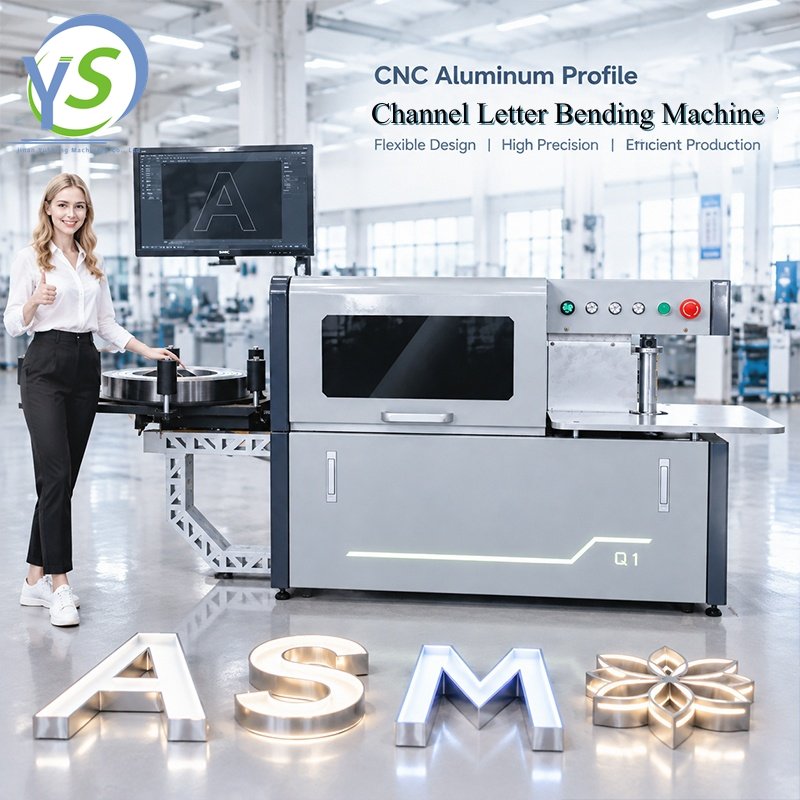
Gone are the days of manual trial and error. Today’s CNC profile benders allow operators to import 3D CAD files (DXF, STEP, or AI formats) directly into the control panel. The software automatically calculates material stretch, bend angles, and springback compensation.
2. Stretch Bending vs. Roll Bending
- Stretch Bending: The profile is pulled under tension while being wrapped around a die. This prevents inner-wall wrinkling, making it ideal for hollow architectural window profiles and automotive parts.
- Roll Bending (3-Roller / Multi-Roller): Uses driven rollers to progressively curve long extrusions into uniform circles, arcs, or S-curves with adjustable radii.
3. Bidirectional & Multi-Angle Bending
Advanced bidirectional machines can bend aluminum both clockwise and counter-clockwise in a single automated routine, eliminating the need to stop the machine and manually flip heavy materials.
Industries That Depend on Aluminum Bending & Cutting Equipment
- Architectural & Construction: Curved curtain wall structures, arched window frames, structural skylights, and handrails.
- Automotive & Aerospace: Curved chassis components, roof rack rails, window trim frames, and structural cabin elements.
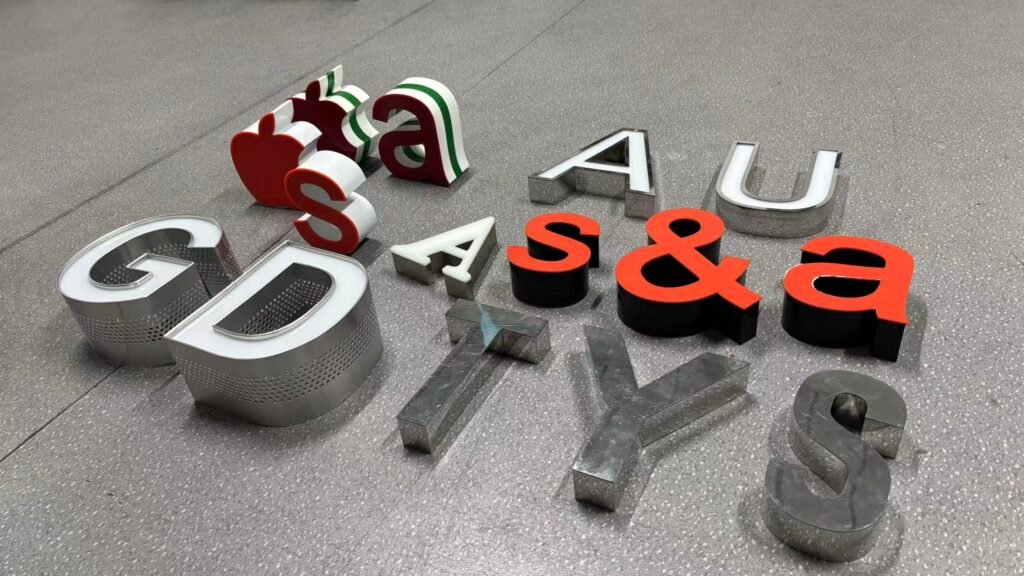
- Signage & Advertising: Large 3D channel letters, LED light box borders, and custom display fixtures.
- Transportation & Railway: Interior handrails, luggage rack frames, and exterior body trim profiles for high-speed trains and buses.
Key Benefits: Why Upgrade Your Fabrication Line?
Investing in high-performance aluminum profile processing machinery delivers immediate operational benefits:
- Minimal Material Scrap: CNC precision eliminates guess-work, guaranteeing that the first piece cut and bent meets specifications.
- Superior Surface Finish: Specialized nylon or alloy rollers protect anodized, powder-coated, or polished finishes from scratches during processing.
- Higher Production Throughput: Combining automated feeding, bending, and cutting cuts total cycle times by up to 60% compared to traditional manual methods.
- Consistent Quality: Repeatable CNC programs ensure every component matches exact tolerances, whether you produce 10 units or 10,000.
How to Choose the Right Machine for Your Business
When selecting an aluminum profile bending and cutting machine, consider the following parameters:
- Profile Cross-Section & Wall Thickness: Ensure the machine’s hydraulic capacity and roller setup match your thickest and thinnest extrusions.
- Minimum & Maximum Bend Radius: Verify that the machine handles the tightest curves required by your product designs.
- Software & Control System: Look for user-friendly CAD/CAM compatibility with automatic springback calculation.
- Automation Level: Choose between semi-automatic models for custom job-shop work or fully automated continuous-feeding lines for high-volume production.
Conclusion: Transform Your Production Capability Today
As demand for curved, lightweight aluminum components continues to grow across architecture, automotive, and industrial design, upgrading to a CNC aluminum profile bending and cutting machine is a strategic investment that yields long-term high ROI.
Looking for the right machine solution for your workshop? Contact our engineering team today to request a custom profile analysis, live machine demonstration, or factory-direct price quote!