
For LED light box and mirror‑frame fabrication shops, consistent, high‑quality curved aluminum profiles directly define your finished product look. A poorly matched CNC bending machine creates wavy edges, uneven radii, material cracking, and costly scrap parts. Many factory owners jump into purchasing by only checking price, only to face production bottlenecks after machine installation.
This practical buying guide breaks down the critical parameters you need to evaluate before investing in an aluminum profile CNC bending forming machine. Whether you are upgrading existing equipment or adding a new production line for light boxes and mirror frames, these actionable points will help you avoid common purchasing pitfalls.
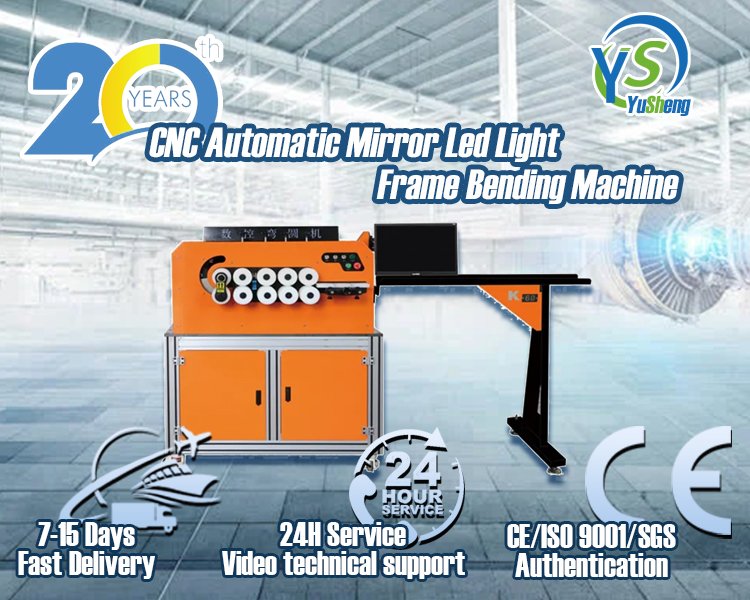
Why a Specialized Aluminum Profile CNC Bending Forming Machine Matters
General‑purpose bending equipment cannot handle thin‑walled aluminum profiles well. LED light box borders and decorative mirror frames mostly use thin, decorative aluminum extrusions. Conventional benders often squeeze profile surfaces, scratch anodized finishes, or distort cross‑sections.
Dedicated aluminum profile CNC bending forming machines are built for decorative aluminum work. They maintain profile cross‑section integrity, keep surface scratches minimal, and support repeat batch production for light box frames, mirror surrounds, signage borders and decorative trim. Stable bending performance lowers reject rates and shortens your turnaround time for custom orders.
Key Parameters to Verify When Selecting Your CNC Bending Machine
1. Bending Radius Range
Bending radius is one of your most important specifications. LED light boxes and mirror frames cover diverse designs: gentle large‑radius arcs, tight corners, oval shapes, and circular frames.
Check the machine’s minimum and maximum achievable bending radius. Too‑tight radii will split thin aluminum walls. Confirm the machine can cover the radius range your customers commonly order. Avoid machines that only support limited radius settings, as this restricts your future order capacity.
2. Compatible Profile Dimensions
Double‑check the profile width, height and wall thickness the CNC bending forming machine can process.
Most light‑box and mirror‑frame aluminum profiles are thin‑wall extrusions. Your machine must match your most‑used profile sizes. If you regularly handle multiple profile cross‑sections, confirm quick‑change mould support. Fast mould switching cuts down setup time between different light‑box frame jobs and improves overall workshop efficiency.
3. CNC Control System & Programming Flexibility
A reliable CNC system determines operational convenience and output consistency. Good aluminum profile CNC bending forming equipment supports direct DXF file import. Your designers can finish shape drawings in CAD, import files directly, and skip manual manual data input. This greatly reduces human calculation errors.
Look for user‑friendly software, not overly complex industrial controls designed for heavy structural metal. Operators with moderate training should be able to program circles, ellipses, irregular curved frames for custom LED signage. Memory storage for frequently‑used mirror‑frame and light‑box shapes speeds up repeat batch orders.
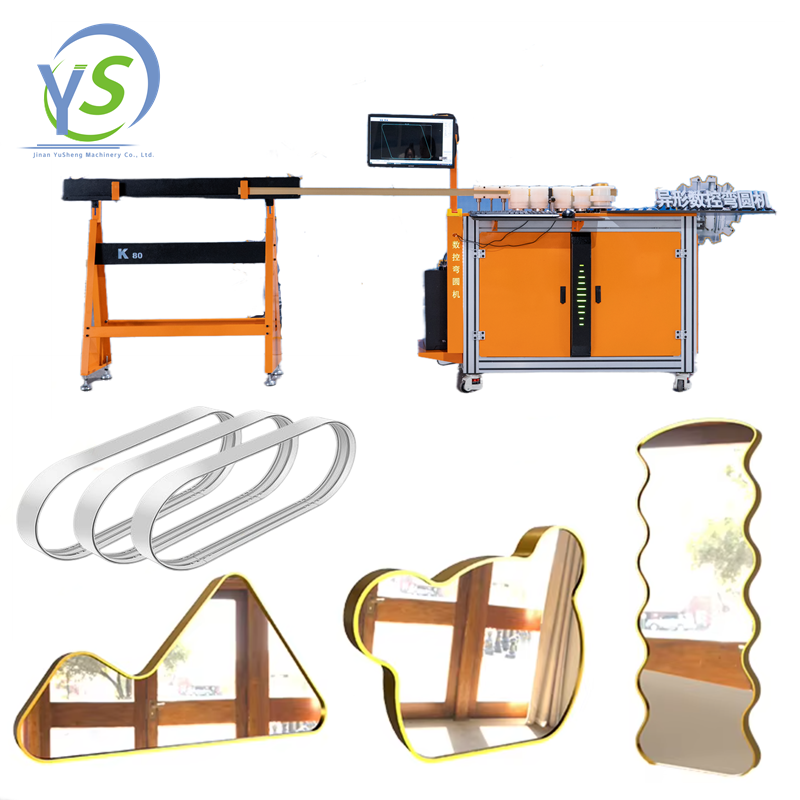
4. Material Adaptability for Aluminum Profiles
Not all aluminum behaves identically. Anodized aluminum, powder‑coated profiles, and raw extruded aluminum all respond differently during bending.
Your target CNC bending forming machine should deliver low‑mark bending for finished‑surface profiles. Surface scratches and indentations mean extra rework or rejected decorative frames. Ask suppliers for real sample bending tests using your own aluminum profiles whenever possible. Physical sample results beat specification sheet data every time.
5. Bending Accuracy & Repeatability
For mass‑produced LED light box frames, high repeat accuracy is non‑negotiable. If bent parts vary slightly per batch, assembly becomes difficult, gaps appear on finished light boxes, and mirror frames fail to fit together neatly.
Focus on angular precision and arc consistency. For sign and decorative frame workshops, practical positioning accuracy is far more meaningful than over‑hyped theoretical numbers. Request reference case data from manufacturers: look for real‑world feedback from other light‑box and mirror‑frame factories already running this machine model.
6. Machine Rigidity & Daily Production Durability
Continuous batch production puts constant stress on frames, rollers and transmission parts. Cheap lightweight CNC bending forming machines will suffer deformation after long‑term high‑volume work, which slowly drifts bending accuracy.
Inspect main body structure and core roller material. Solid machine construction keeps stable performance over years of producing aluminum light‑box borders. This is a long‑term production asset, do not sacrifice mechanical robustness just for lower upfront cost.
7. After‑sales Support & Local Service
Many buyers overlook service factors. CNC bending machines require regular maintenance, roller replacement, and operational troubleshooting.
Prioritize suppliers who provide clear operator training, spare‑part availability, and remote technical support. When production stops due to unexpected machine issues, fast support minimizes your workshop downtime.
Practical Tips for Your Purchase Decision
- Bring your actual aluminum profile samples for on‑site bending tests before placing orders. Sample outputs show real‑world performance better than brochures.
- Clarify included mould sets and extra mould pricing. Multiple profile types mean additional mould investment.
- Balance budget with real production needs. Avoid over‑specifying features you will never use, but also avoid under‑buying equipment that cannot handle your main light‑box and mirror‑frame jobs.
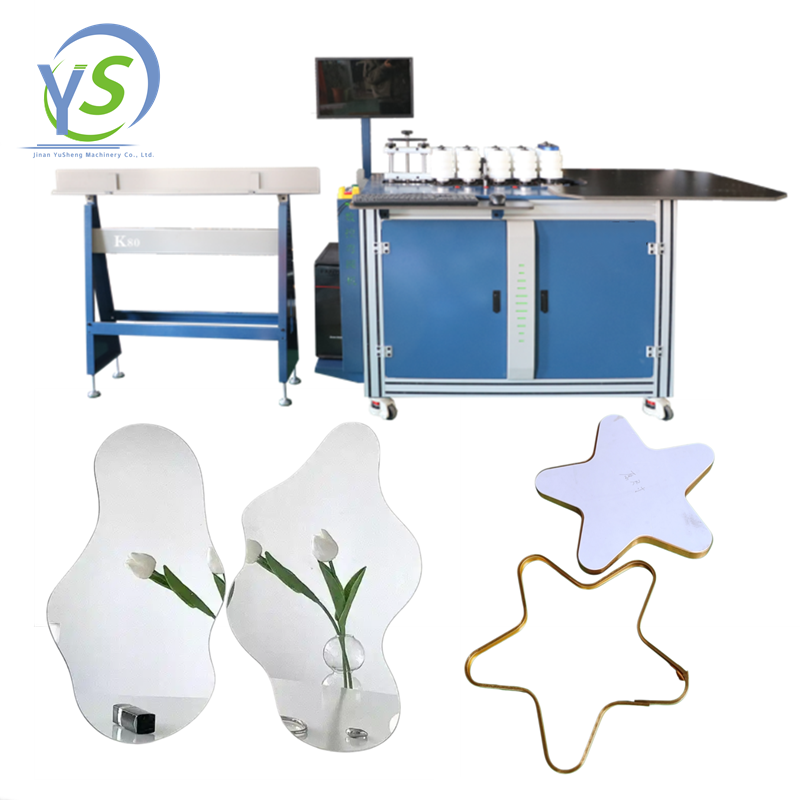
Final Thoughts
Selecting a suitable aluminum profile CNC bending forming machine is not only about comparing prices. It is about matching machine parameters to your actual LED light box and mirror‑frame product portfolio. Pay close attention to bending radius capacity, profile compatibility, CNC software functionality, surface‑friendly bending performance, repeat accuracy and supplier service.
A well‑chosen CNC bending machine reduces scrap rates, expands your custom‑shape order capability, and gives you a clear competitive edge in the decorative aluminum frame manufacturing market.

