The aluminum profile doors and windows industry plays an important role in modern construction. From residential buildings and commercial properties to office towers and industrial facilities, aluminum doors and windows are widely used because of their durability, attractive appearance, and design flexibility.
As construction standards continue to evolve, manufacturers are facing new challenges in production efficiency, product quality, labor costs, and customized designs. At the same time, advances in aluminum processing technology are creating new opportunities for companies that can adapt to changing market demands.
This article explores the main challenges facing the aluminum profile doors and windows processing industry, along with its advantages and potential for future growth.
Why Is the Aluminum Doors and Windows Industry Growing?
Aluminum has become one of the most widely used materials for modern door and window manufacturing. Compared with traditional materials, aluminum profiles offer a practical combination of strength, lightweight construction, corrosion resistance, and design flexibility.
Aluminum doors and windows can be used in a wide range of architectural styles. They are suitable for standard residential windows, large glass curtain systems, sliding doors, folding doors, and customized architectural structures.
In addition, modern consumers are paying more attention to energy efficiency, appearance, and long-term maintenance. These requirements are encouraging manufacturers to improve both their materials and processing methods.
For aluminum door and window manufacturers, this creates opportunities to develop higher-value products rather than competing only on basic production volume.
Main Challenges in the Aluminum Profile Doors and Windows Processing Industry
Despite its advantages, the industry faces several practical problems that can affect profitability and production efficiency.
1. Rising Labor Costs and Skilled Worker Shortages
One of the most common challenges is the increasing cost of labor.
Aluminum doors and windows processing involves multiple steps, including profile cutting, drilling, milling, corner assembly, bending, and final installation. Some operations still depend heavily on experienced workers, especially when handling customized products or complex designs.
Finding and retaining skilled technicians can be difficult for small and medium-sized manufacturers. When production relies too much on manual work, companies may also experience inconsistent processing quality and longer delivery times.
Possible solution: Investing in CNC processing equipment and automated production systems can reduce repetitive manual operations and improve workflow consistency.
2. Difficulties with Customized and Complex Designs
Customers are no longer limited to traditional rectangular doors and windows. Curved frames, special shapes, large openings, and personalized architectural designs are becoming increasingly common in certain market segments.
However, producing non-standard aluminum profiles requires more advanced processing capabilities.
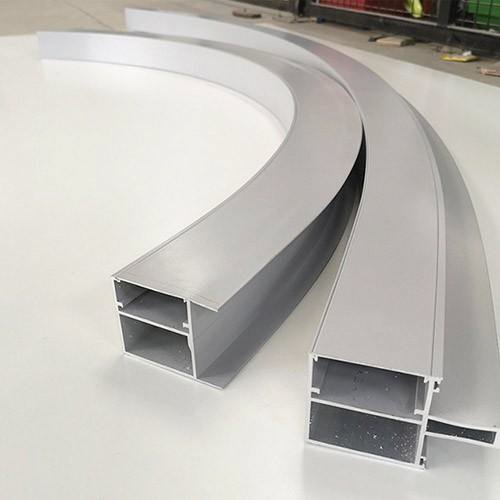
Traditional bending and forming methods may struggle to achieve precise curves without surface deformation, profile distortion, or repeated manual adjustments.
For manufacturers, this can lead to:
- Higher material waste.
- Longer production cycles.
- More complicated quality inspections.
- Increased costs for customized orders.
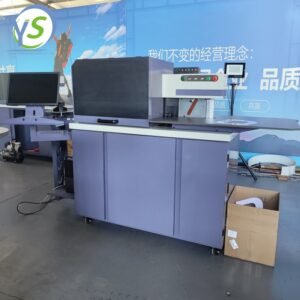
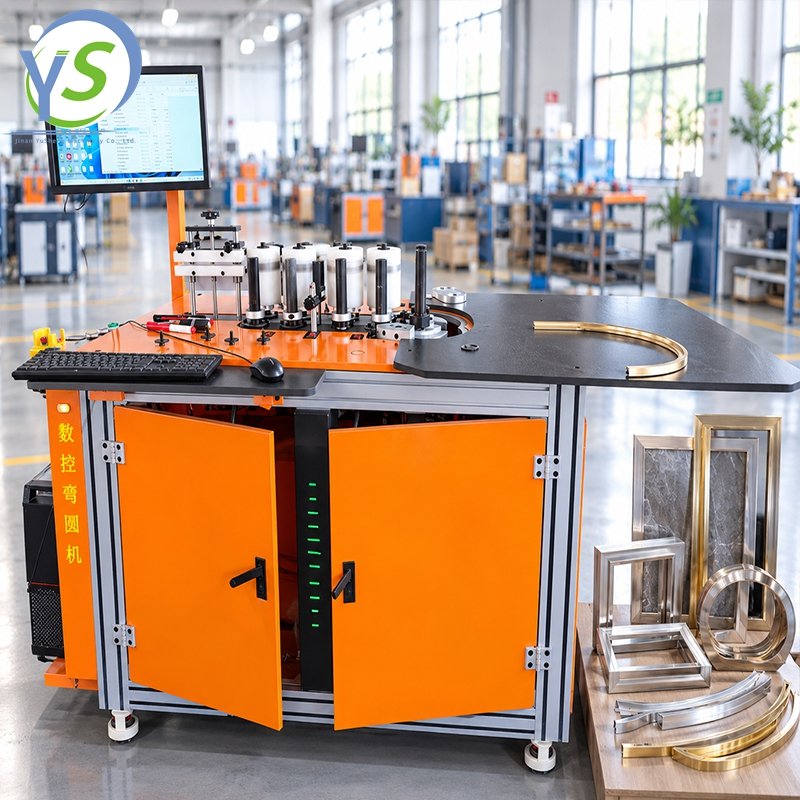
Modern CNC aluminum profile bending machines and specialized forming equipment can help address these challenges by improving precision and expanding design possibilities.
3. Maintaining Consistent Product Quality
Quality control is another important concern.
Even small dimensional errors in aluminum profile processing can affect the final assembly of doors and windows. Problems such as inaccurate cutting, incorrect drilling positions, uneven bends, or poor corner alignment may result in installation difficulties and customer complaints.
As architectural projects become more demanding, manufacturers need to maintain consistent quality across larger production batches.
This requires more than high-quality raw materials. It also depends on accurate equipment, standardized operating procedures, and effective inspection systems.
4. Pressure on Production Costs
Aluminum prices, electricity costs, labor expenses, and equipment maintenance all influence manufacturing costs.
At the same time, customers often expect competitive prices and shorter delivery times. This creates pressure on manufacturers to improve productivity without compromising product quality.
Companies that continue relying on inefficient equipment may find it difficult to maintain healthy profit margins.
Improving production efficiency, reducing material waste, and optimizing processing procedures are becoming essential parts of long-term business management.
5. Limited Flexibility in Traditional Production Lines
Some traditional aluminum processing workshops are designed mainly for standard products. When customers request different profile sizes, special shapes, or small-batch orders, production adjustments can become time-consuming.
This lack of flexibility can limit a company’s ability to respond quickly to market changes.
Manufacturers increasingly need equipment that can handle multiple processing requirements while allowing relatively simple adjustments between projects.
Key Advantages of the Aluminum Profile Doors and Windows Industry
Although the industry faces challenges, aluminum doors and windows continue to offer several important advantages that support long-term market demand.
1. Excellent Material Durability
Aluminum profiles offer good resistance to corrosion, weather exposure, and everyday wear when properly finished and maintained.
This makes aluminum doors and windows suitable for both indoor and outdoor applications. With appropriate surface treatments, such as powder coating or anodizing, manufacturers can provide products with improved appearance and protection.
For building owners, durable aluminum products can reduce the need for frequent replacement and maintenance.
2. Lightweight Yet Strong
Aluminum combines relatively low weight with useful structural strength.
This makes it easier to manufacture and install large doors, windows, and architectural framing systems without relying exclusively on heavier materials.
Its strength-to-weight characteristics also support the development of modern designs featuring larger glass areas and slim frame structures, subject to appropriate engineering requirements.
3. Flexible Design Possibilities
One of aluminum’s most valuable advantages is its flexibility in design and processing.
Aluminum profiles can be cut, drilled, milled, assembled, and bent into different shapes to meet architectural requirements.
With advanced profile bending equipment, manufacturers can produce:
- Curved aluminum window frames.
- Arched door structures.
- Rounded architectural frames.
- Customized decorative profiles.
- Special-shaped aluminum window systems.
This flexibility allows businesses to serve a wider range of customers and explore specialized market segments.
4. Low Maintenance Requirements
Compared with some traditional building materials, aluminum doors and windows generally require relatively little routine maintenance.
They do not suffer from issues such as wood rot, although surface finishes, hardware, seals, and installation quality still influence product lifespan.
For residential and commercial property owners, low-maintenance building components can be an attractive choice over the long term.
5. Strong Compatibility with Modern Architecture
Modern architecture often emphasizes clean lines, large glass surfaces, natural lighting, and minimalist structures.
Aluminum profiles are well suited to these design preferences. They can be used in slim-frame systems, sliding doors, curtain wall applications, and customized architectural structures.
As architects continue exploring new forms and building styles, aluminum remains a practical material for innovative door and window designs.
6. Opportunities for Recycling and Sustainable Manufacturing
Aluminum is a recyclable material, and recycling aluminum generally requires less energy than producing primary aluminum from raw materials.
This gives aluminum an important role in discussions about sustainable construction and material efficiency.
Manufacturers that improve material utilization, reduce processing waste, and adopt responsible recycling practices can strengthen their environmental performance while potentially reducing production costs.