
For window and door fabricators, thin profit margins are one of the biggest ongoing headaches. Raw aluminum costs keep fluctuating, labor expenses rise, and customers still demand tight tolerances, fast lead times and clean finished cuts. Many small-to-medium workshops find themselves stuck: either rush production and risk rework, or spend too many man-hours cutting profiles and eat into profits.
This is where a CNC double head cutting saw for aluminum profiles changes the game. It is not just another cutting machine on the shop floor. When deployed properly, it directly reduces waste, cuts labor hours and stabilizes product quality — all core levers to lift your profit margin for aluminum window and door projects.
The Core Pain Points Window Door Shops Face Without CNC Double Head Saws
Most traditional aluminum cutting setups rely on manual single-head saws. Operators measure each profile, mark cutting lengths, adjust stops manually and cut one end at a time. This workflow brings three costly issues:
- High material scrap rate: Manual measurement errors lead to wrong cut lengths. Aluminum extrusions are expensive, and every scrapped piece is pure material loss. For custom window and door orders with many unique sizes, scrap can quickly add up.
- Slow production & heavy labor dependency: One operator spends lots of time on setup and repeated measurements. Output is limited, and you need more skilled workers to keep up with order volume. Skilled labor is hard to retain and costly.
- Inconsistent cut quality: Angles and flatness may vary between batches. Poor cuts create gaps during frame assembly, leading to rework, site complaints and delayed payments. Rework kills margins far more than most shop owners realize.
These small losses add up project by project. Even if your sales revenue looks good, net profit stays low.
How CNC Double Head Cutting Saws Boost Profit Margins
1. Cut Aluminum Material Waste
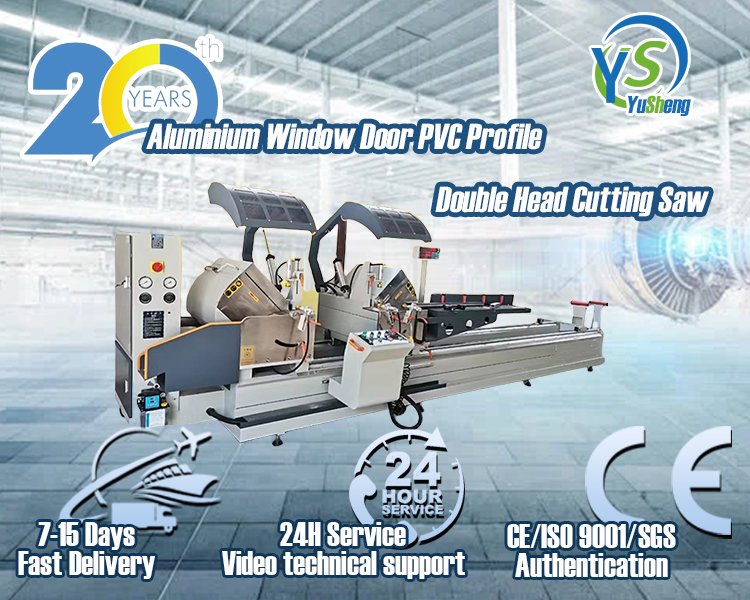
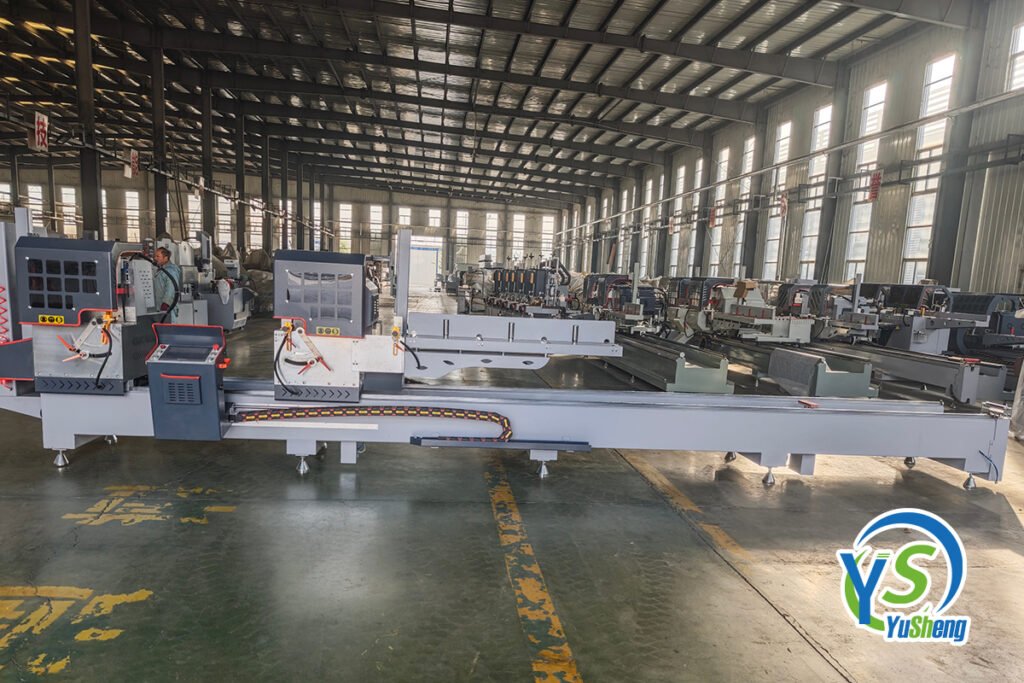
A CNC double head saw automatically calculates cutting lengths and angles based on programmed drawings. Both ends of the aluminum profile get cut simultaneously at preset angles, most commonly 45 degrees for window and door frame corners.
There is minimal human error. Shops typically see scrap rates drop noticeably after switching from manual saws. Less wasted aluminum directly lowers your material cost per finished frame — the biggest cost component for aluminum window manufacturing.
2. Reduce Labor Input & Free Up Skilled Workers
One machine operator can run the CNC double head saw without constant manual measuring and stop adjustment. The CNC system stores repeated window and door size programs for quick recall. Setup time for repeat orders shrinks dramatically.
Instead of having multiple workers only cutting profiles, your skilled staff can shift to frame assembly, quality inspection or order preparation. You can handle more orders with the same team size, lowering labor cost per unit.
3. Eliminate Rework and Speed Up Order Delivery
Dual cutting heads ensure symmetrical, precise 45° cuts with consistent flatness. Miter joints fit tightly during assembly, no gaps, no extra trimming. Fewer defective frames mean far less rework time and fewer rejected finished products.
Faster cycle times also shorten lead times. Shorter delivery windows help you win more bids, attract repeat clients and avoid late delivery penalties. Better order throughput increases total output without expanding your workshop space.
4. Support Custom Orders Without Margin Erosion
Modern window and door projects often include custom sizes and non-standard angles. Manual cutting struggles with custom jobs, because every new size requires time-consuming manual setup.
With CNC programming, new custom dimensions are entered into the control system quickly. Your workshop can accept custom residential and commercial window-door orders without the usual spike in labor and scrap cost. Custom jobs, which usually carry higher selling prices, become profitable instead of risky.
Key Features to Look For When Choosing an Aluminum CNC Double Head Cutting Saw
Not all double head CNC saws deliver the same return on investment. Focus on these practical features for window door fabrication:
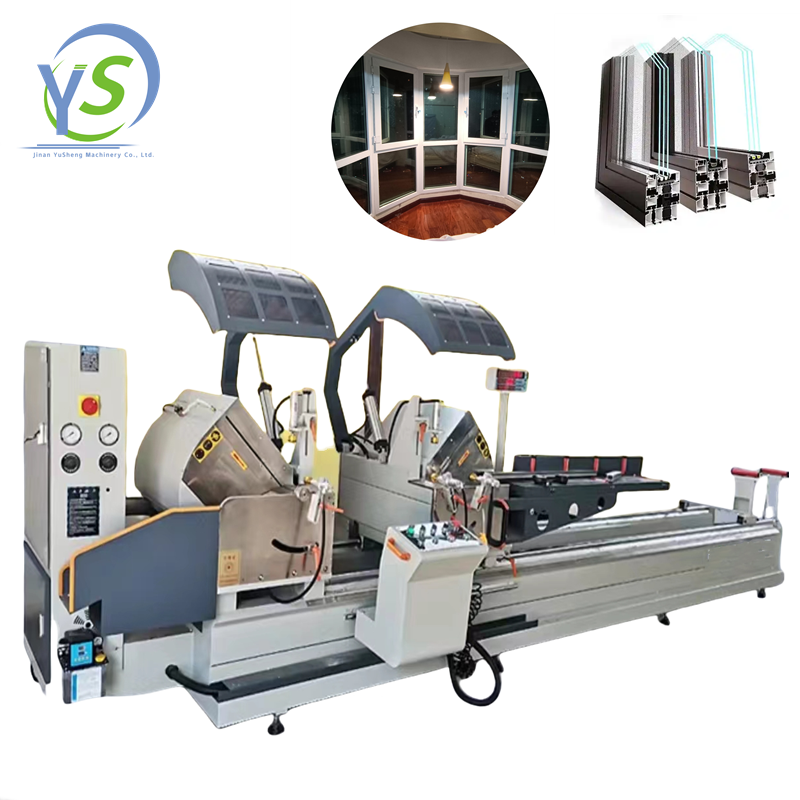
- Stable linear guide movement for long-term cutting accuracy
- Digital CNC control panel to save multiple product programs
- Adjustable cutting angle range for standard 45° and special-angle profiles
- Reliable cooling and lubrication system to extend saw blade life
- Safe material clamping system to avoid profile shifting during cuts
A durable saw blade also matters. Longer blade service life reduces consumable replacement frequency and downtime.
Realistic ROI for Aluminum Window Door Workshops
Many fabricators worry about the upfront investment in CNC machinery. But the ROI calculation is straightforward. Lower aluminum scrap, reduced labor, less rework and higher order capacity compound over time.
Small and mid-sized window door workshops usually see measurable improvements after several months of continuous use. The machine pays for itself through saved material and labor costs, plus the ability to take on more high-value orders.
Final Thoughts
Window and door fabrication is a competitive industry. Winning is not always about raising selling prices. The most profitable workshops control internal waste and improve production efficiency.
A CNC double head cutting saw for aluminum profiles is one of the highest-impact investments a window door workshop can make. It stabilizes cut precision, slashes scrap and labor waste, speeds up order fulfillment and lets you confidently take on custom projects. When you control these production variables, your profit margin naturally improves.
If you are still relying on manual single-head cutting for aluminum window frames, it may be time to evaluate whether outdated cutting equipment is quietly eating your profits.

