
If you run a small or medium metal fabrication business, you know aluminum bending is one of those jobs that eats margins fast.
Manual bending or old hydraulic equipment works for simple runs, but aluminum’s springback, thin profiles and tight tolerance demands create constant headaches: rework, scrap, slow setups and reliance on senior bend operators who are hard to hire and expensive to keep.
That’s why more metal fabrication SMEs are looking hard at aluminum CNC 3 axis bending machinery. But the big question is always the same: does this machine deliver measurable return on investment, or is it just another shiny piece of workshop gear?
This is not a sales pitch. It’s a practical ROI breakdown built around real shop floor numbers, for owners and production managers deciding whether to upgrade.
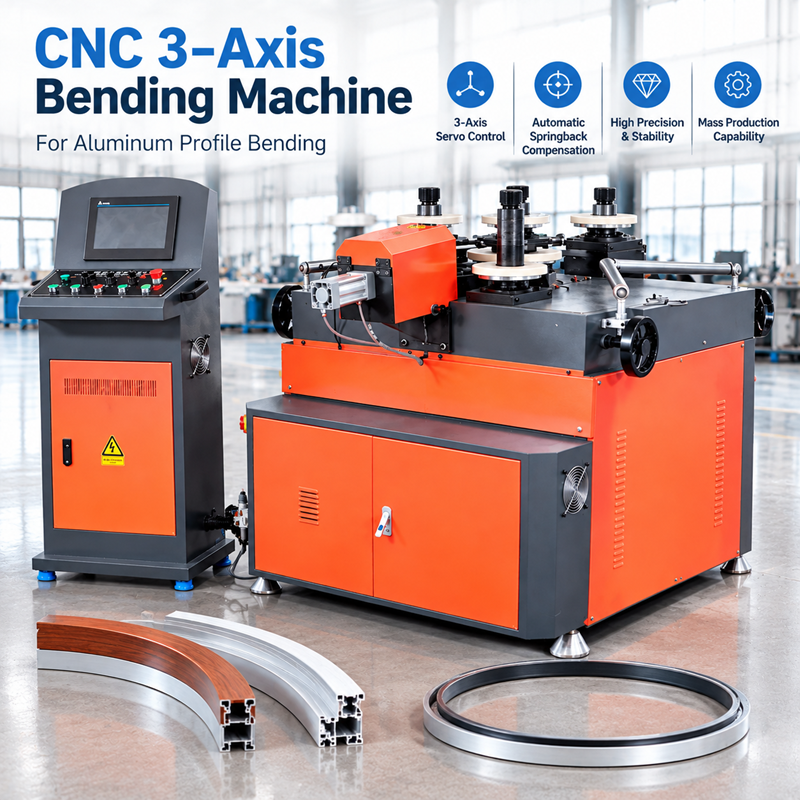
What Is a 3 Axis CNC Bending Machine for Aluminum Fabrication?
Let’s keep it simple.
A 3 axis CNC bender typically controls ram movement (Y1/Y2) plus X-axis backgauge positioning. It hits the sweet spot for SMEs: less expensive than 4-axis or 6-axis models, easier to learn, and compact enough for shops with limited floor space.
It is purpose-built for aluminum profiles, aluminum trim, architectural extrusions, channel letters, light structural brackets and thin sheet aluminum parts.
For small fabricators, this matters. You get CNC repeatability without the price tag and complexity of higher-axis machines that most mixed-batch shops will never fully use.
Where the ROI Actually Comes From for Metal Fabrication SMEs
ROI for aluminum CNC 3 axis bending machinery does not only come from faster bending cycles. The biggest gains are often the hidden costs you stop leaking every month.
1. Lower scrap and rework from consistent aluminum bending
Aluminum is tricky. Springback is unpredictable, and a single misjudged bend can turn an expensive extrusion or sheet into scrap.
Most manual aluminum bending shops run scrap rates between 5% and 10%. With a calibrated 3 axis CNC bender, many fabricators drop that below 1%.
That adds up quickly. Less wasted aluminum, less time spent reworking failed parts, fewer rushed late deliveries and fewer customer penalties. This is one of the fastest ROI drivers for aluminum-focused fabrication work.
2. Less labor dependency
Skilled bending operators are a huge bottleneck for metal fabrication SMEs.
Manual aluminum bending requires years of experience to judge angles, compensate springback and repeat parts reliably. A 3 axis CNC bender shifts the heavy lifting to programming. One operator can run the machine while prepping the next job, rather than manually positioning every piece.
You do not automatically cut staff. But you stop tying your best people to repetitive bending work. They can move to quoting, quality control, assembly or more complex high-margin jobs. For many small shops, this labor flexibility alone is worth the investment.
3. Dramatically shorter setup time for high-mix jobs
Metal fabrication SMEs usually live on high mix, low volume orders. One job is architectural aluminum trim, the next is signage channel letters, the next is custom brackets.
On manual bending equipment, changing jobs often means adjusting gauges, testing samples and tweaking angles repeatedly. Setup time kills throughput.
With a CNC 3 axis bending machine, you save programs for repeat aluminum profiles. Next time the same order comes in, you pull the program, load the material and start production. Setup time shrinks, and you fit more jobs into the same working day.
4. Better margins and new customer work
This is an ROI point many owners overlook.
When you can deliver consistent aluminum bends within tight tolerances, you can quote jobs you previously had to pass up. Architectural metalwork, custom aluminum framing, facade components and signage profiles all require repeatable precision.
A reliable CNC bender helps you compete for higher-margin contracts instead of fighting for low-price commodity bending jobs. Over time, this expands your revenue base far beyond simple cycle-time savings.
Realistic ROI and Payback Timeline for Aluminum CNC 3 Axis Bending Machinery
Let’s ground this in numbers that metal fabrication SMEs can use.
The simple formula for your shop’s ROI:
Annual net savings = Labor savings + scrap reduction + new incremental revenue − annual maintenance, tooling and energy costs Payback period = Total installed machine cost ÷ annual net savings
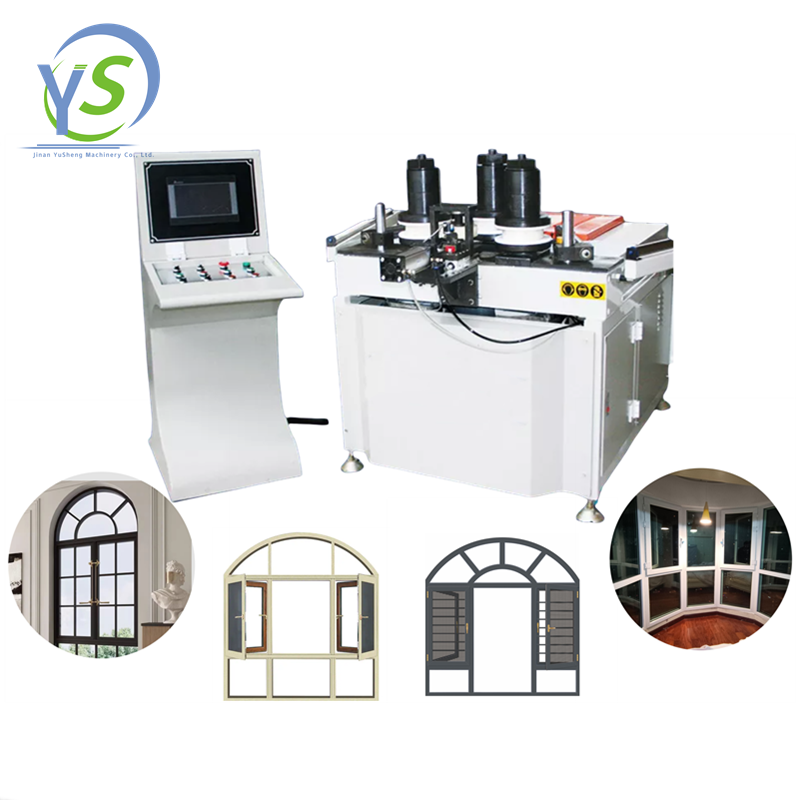
For most metal fabrication shops running steady aluminum profile work, a properly utilized 3 axis CNC bender delivers payback in roughly 24–36 months. Shops with high scrap, heavy rework or lots of repeat aluminum orders can see payback closer to 18 months.
This assumes you keep the machine well utilized. If it sits idle for weeks at a time, your ROI stretches out dramatically. That is the critical caveat for SMEs.
A 3 axis model is not the right fit if your work is mostly thick steel, ultra-complex multi-flange parts, or you only bend aluminum a handful of times per month. But for shops where aluminum profiles, trim and light sheet bending are core offerings, the math usually works.
3 Axis vs Higher Axis CNC Benders: Why SMEs Often Choose 3 Axis
It’s easy to get tempted by 4-axis, 6-axis or panel bending centers when shopping for aluminum bending equipment.
But for many metal fabrication SMEs, extra axes add cost and complexity they do not need.
A 3 axis CNC bender handles most standard aluminum profile bending, trim, channel letter and bracket work perfectly. It is simpler to operate, easier to maintain and has a lower entry price.
Higher-axis machines shine when you run large volumes of complex parts with variable backgauge height movement. If that is not your core workload, you pay for capability you rarely use, and your ROI slows.
Final Thoughts
For metal fabrication SMEs, buying CNC bending equipment is never a trivial decision. Cash flow is tight, and every capital purchase needs to earn its place.
An aluminum CNC 3 axis bending machine will not fix every production problem. It will not make slow sales or low-margin jobs profitable on its own.
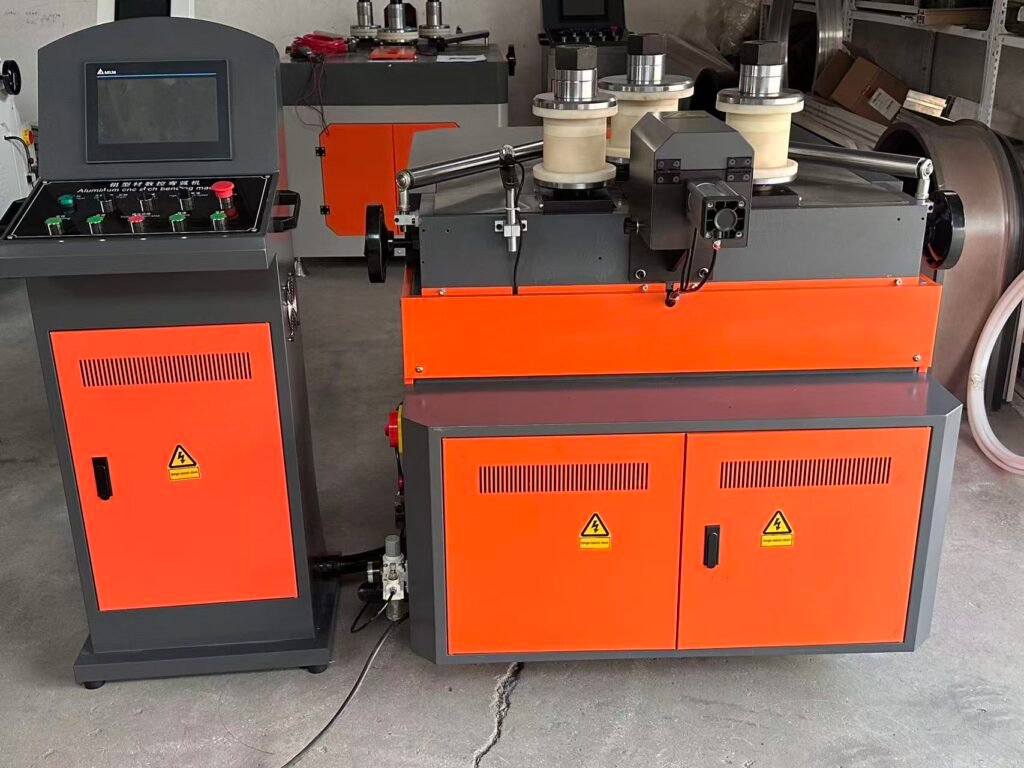
But when it matches your part mix and workload, it cuts scrap, reduces operator dependency, speeds up job changeovers and unlocks better-paying aluminum fabrication contracts. That combination delivers steady, measurable ROI for the right shops.
The best next step is to build your own ROI model using your actual scrap rates, bending labor hours and order history. Do not rely only on the supplier’s optimistic projections. Use your shop’s real numbers, and you will know exactly when the machine starts making you money.

