
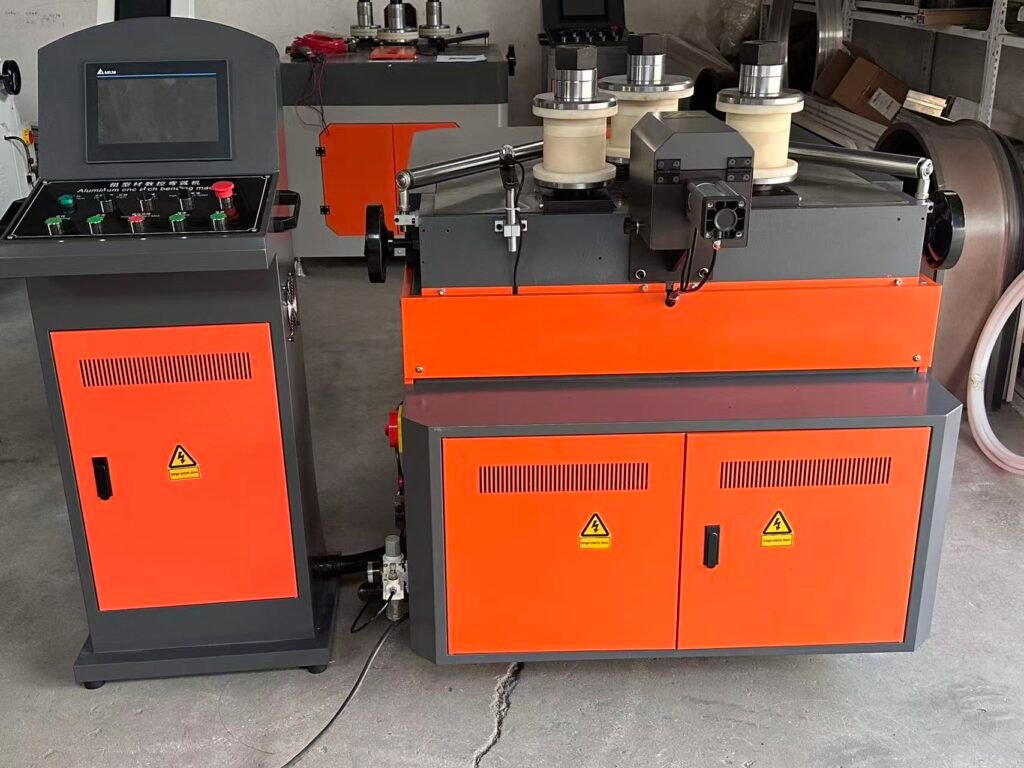
For metal decoration contractors, small‑batch custom aluminum extrusion bending is one of the most frequent yet challenging jobs. Modern architectural facades, interior trim frames, handrail profiles and decorative art installations all rely on accurately bent aluminum extrusions. Many contractors struggle here: low‑volume orders cannot justify high‑volume production lines, while manual bending tools fail to deliver consistent curvature and clean finished surfaces. That is where the aluminum profile 3 axis CNC bending machine becomes a game‑changing piece of shop‑floor equipment.
Why small‑batch aluminum bending creates unique pain points for decor contractors
Metal decoration projects rarely run thousands of identical parts. Most site orders are custom‑tailored: varied radii, mixed‑curve profiles, different cross‑section sizes, and batch sizes from 5 to 200 pieces.
Traditional bending setups bring obvious drawbacks. Manual roll bending generates inconsistent bending radii across pieces, leaving wrinkles, dimples or profile distortion. Large hydraulic bending machines are built for mass production; fixture change‑over takes long hours, making small‑run jobs cost‑prohibitive. Outsourcing bending work adds lead‑time delays, shipping costs and quality risks that contractors cannot afford for tight project deadlines.
Contractors need equipment that balances flexibility, precision and fast setup. An aluminum profile 3 axis CNC bending machine directly addresses these real‑world workshop pain points.
Core advantages of aluminum profile 3 axis CNC bending machine for custom small‑batch work
A 3‑axis CNC bending unit controls feeding, roller positioning and bending angle through programmed digital parameters, designed specifically for extruded aluminum decorative profiles.
First, fast program setup supports frequent job switching. Operators input target radius, profile dimensions and bending sequence via the control panel. No complex custom mould fabrication is required for most standard decorative extrusions. One‑off and small‑batch custom orders can go from drawing to finished part within minutes of setup.
Second, high repeatability for custom curved pieces. Even for batches of 10‑50 units, every bent extrusion maintains uniform curvature, minimal surface scratching and stable dimensional accuracy. This is critical for decoration work: mismatched bends will lead to difficult on‑site fitting and visible aesthetic defects.
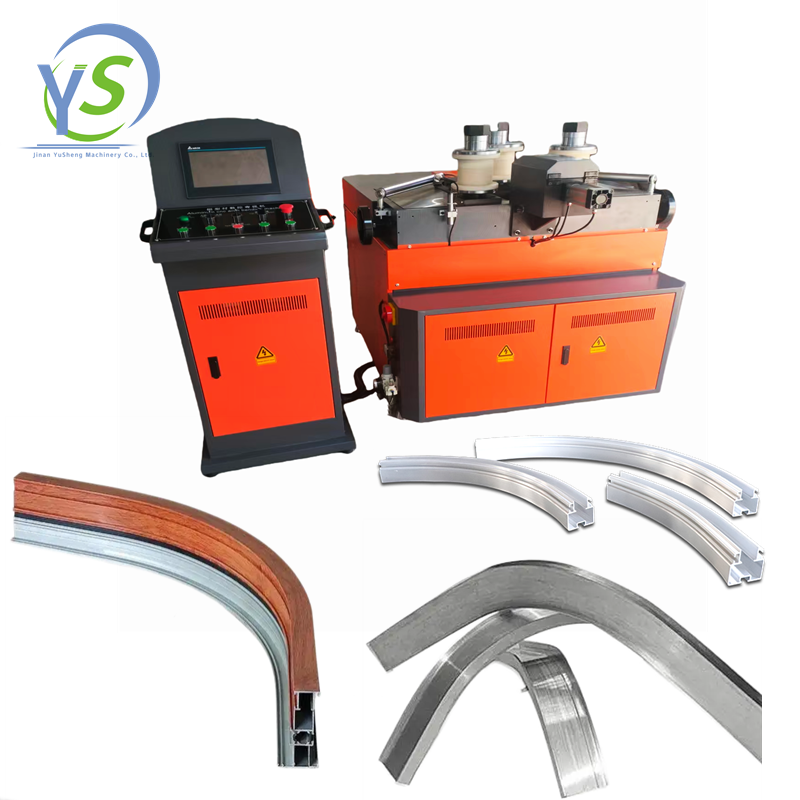
Third, compatibility with diverse aluminum extrusion profiles. It handles hollow decorative profiles, solid trim bars, thin‑wall architectural extrusions commonly used in curtain wall decoration, indoor metal trim and handrail systems. Multi‑radius combined bending tasks, which are difficult for conventional benders, can be completed in one continuous cycle on the aluminum profile 3 axis CNC bending machine.
Key factors contractors should evaluate before purchasing
When comparing bending equipment for your metal decoration contracting business, do not only look at price. Evaluate these practical criteria aligned with small‑batch custom workflows.
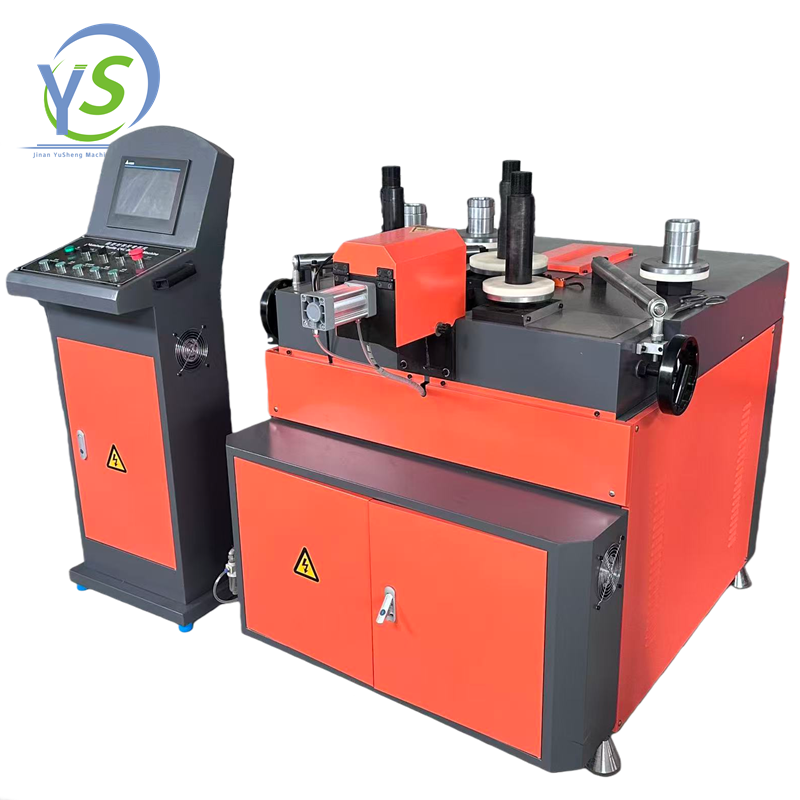
- Profile adaptability Check the machine’s allowable profile height, width and maximum bending radius range. Confirm it can process the extrusion types you run most often: thin‑wall decorative aluminum is far more prone to collapse during bending than thick industrial profiles.
- CNC programming & operator‑friendliness For small‑batch frequent change‑overs, an intuitive operating interface matters more than over‑complicated industrial functions. Look for units that support direct import of CAD‑derived bending data, so your team can quickly convert customer design files into bending programs.
- Surface protection features Decorative aluminum parts go straight to finishing, painting or powder‑coating. Anti‑scratch roller accessories are essential to avoid surface marks that require extra rework.
- After‑sales and remote technical support Contractors serving regional construction projects need reliable support. For CNC bending equipment, remote debugging, parameter tuning and spare‑part availability directly reduce workshop downtime.
Real‑world use case: How decor shops benefit from 3‑axis CNC bending
A typical metal decoration contractor receives mixed orders: curved aluminum window trim for boutique retail stores, arched handrail profiles for lobby renovation, custom curved frame components for art‑decoration installations.
Before adopting an aluminum profile 3 axis CNC bending machine, the business either outsourced all bending work or spent hours adjusting manual rollers for every small job. Delivery times stretched, and reject rates stayed high.
After switching to 3‑axis CNC bending, small‑batch custom extrusion bending stays in‑house. Setup time for each new custom profile drops sharply. The shop can accept more niche custom decoration orders, improve project lead times, and cut losses from defective bent parts.
Final thoughts
Small‑batch custom aluminum extrusion bending will remain a core service for metal decoration contractors. Choosing suitable bending equipment determines your workshop’s profit margin, delivery speed and ability to win custom‑design projects.
For businesses focused on variable‑volume decorative aluminum profile jobs, the aluminum profile 3 axis CNC bending machine delivers the flexibility, precision and quick change‑over that traditional bending hardware cannot match. When you prioritize profile compatibility, easy programming and surface‑protection performance, you select equipment that grows alongside your contracting business.

