
Introduction
If you run a signage shop, fabric light box factory, or custom frame workshop, you’ve likely hit a familiar bottleneck: limited shaping flexibility from outdated single-direction aluminum bending equipment.
Standard one-way benders only produce simple square, oval or circular light box frames. When clients request irregular, curved, or asymmetrical backlit sign frames, you lose jobs or waste hours manually finishing flawed profiles.
This guide breaks down why the bidirectional aluminum bending machine for light box frame manufacturing is the gold standard for modern light box production. We’ll cover real shop pain points, core machine advantages, technical benchmarks, and how to pick a unit that boosts your output and profit margins long-term.
Every detail comes from 8+ years supporting light box manufacturers across Europe, Southeast Asia, and North America—no generic marketing fluff, just hands-on factory insights.
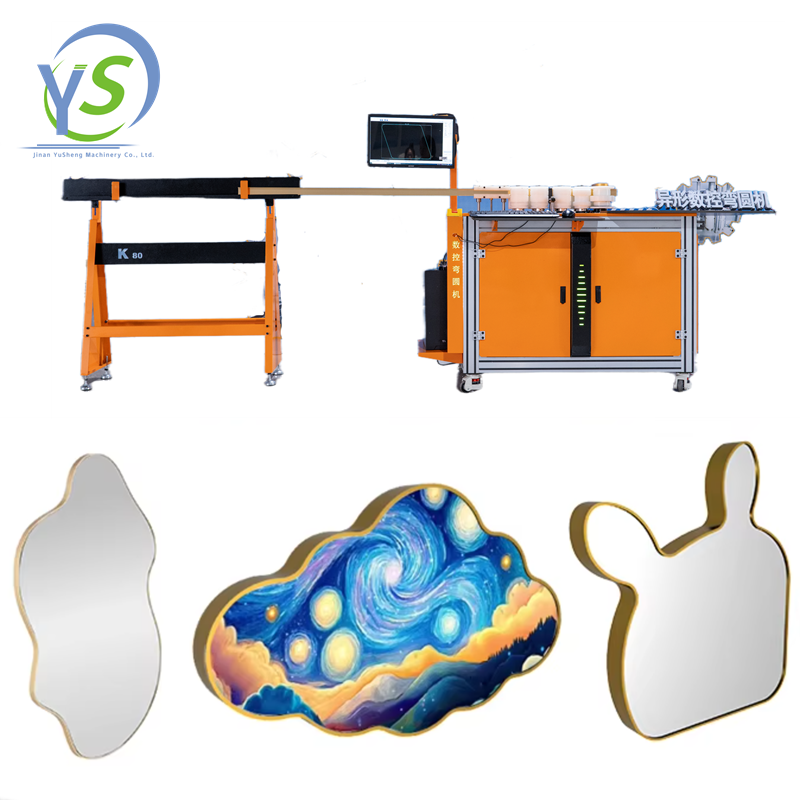
What Makes a Bidirectional Aluminum Bending Machine Ideal for Light Box Frame Manufacturing?
First, let’s clarify the core difference between bidirectional and single-way bending machines for aluminum light box profiles.
Single-direction benders only fold aluminum in one fixed axis. All complex custom frames require secondary cutting, grinding, and manual bending to fix shape restrictions. This creates three costly issues for light box makers:
- Slow turnaround for custom backlit sign orders
- Visible gaps and uneven joints that lead to customer rejects
- Extra labor costs for post-processing correction
A professional bidirectional aluminum bending machine solves all these by supporting forward and reverse CNC-controlled bending in one continuous workflow. It forms complete light box frames in a single pass without re-clamping aluminum extrusions.
Key Production Advantages for Light Box Fabricators
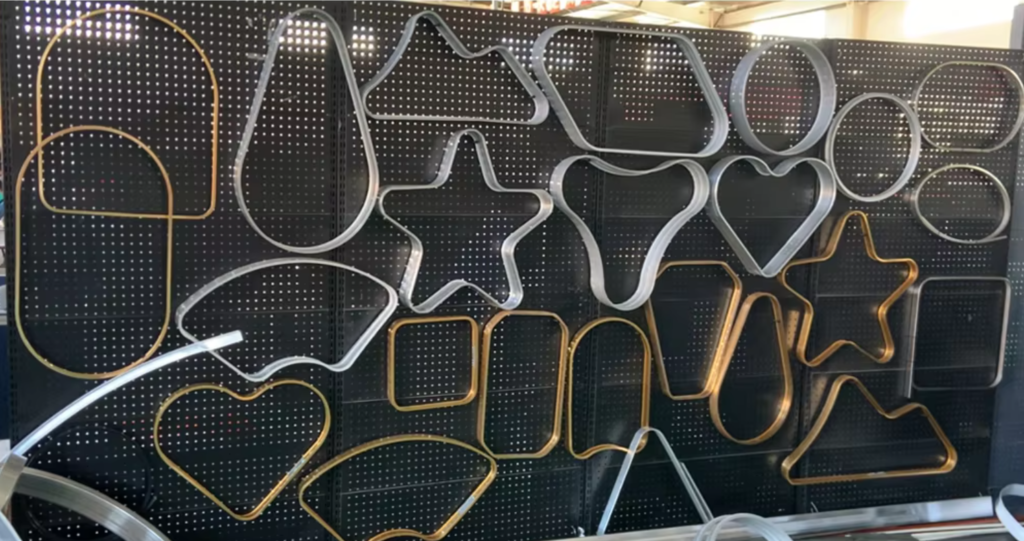
1. Unlimited Custom Light Box Frame Shapes
Light box clients demand far more than basic rectangles today: arched storefront signs, star-shaped display frames, wavy soft-film light borders, asymmetrical salon mirror light frames, and runway-style outdoor advertising boxes.
With bidirectional bending capability, your machine reproduces any CAD-drawn contour. No outsourcing complex frame work to third-party metal fabricators. You retain full control of every light box order from raw aluminum to finished frame.
2. Higher Precision for Seamless Light Box Joints
Light box aluminum profiles rely on tight, gap-free joints to avoid light leakage and flimsy assembly. Top-tier bidirectional aluminum bending machines use closed-loop servo control with precision tolerance down to ±0.02mm per meter.
Manual bending and single-way machines often deliver ±1mm deviation on curved sections. The consistent accuracy of bidirectional bending eliminates grinding, filler, and rework on every light box frame batch.
3. 40% Faster Batch Production
Our client data shows shops switching to bidirectional aluminum bending machines cut light box frame production time by nearly 40% compared to old single-direction equipmentAlibaba.co….
- Auto-feeding aluminum extrusions
- One-click CAD file import for light box designs
- Simultaneous dual-axis bending without resetting molds
- Pre-saved parameter libraries for common K30/K50 light box profiles
A single operator can run 12–18 complete light box frames per hour, versus 6–9 frames on older bending machinery.
4. Zero Surface Scratches on Decorative Aluminum
Most light box frames use brushed, gold anodized or matte aluminum finishes that scratch easily. Bidirectional bending units come fitted with wear-resistant nylon bending rollers, replacing metal contact wheels found on cheap single-way benders.
Finished frames arrive smooth, ready for LED strip installation without polishing touch-ups. This is critical for high-end retail, hotel, and spa light box orders where surface appearance drives client retention.
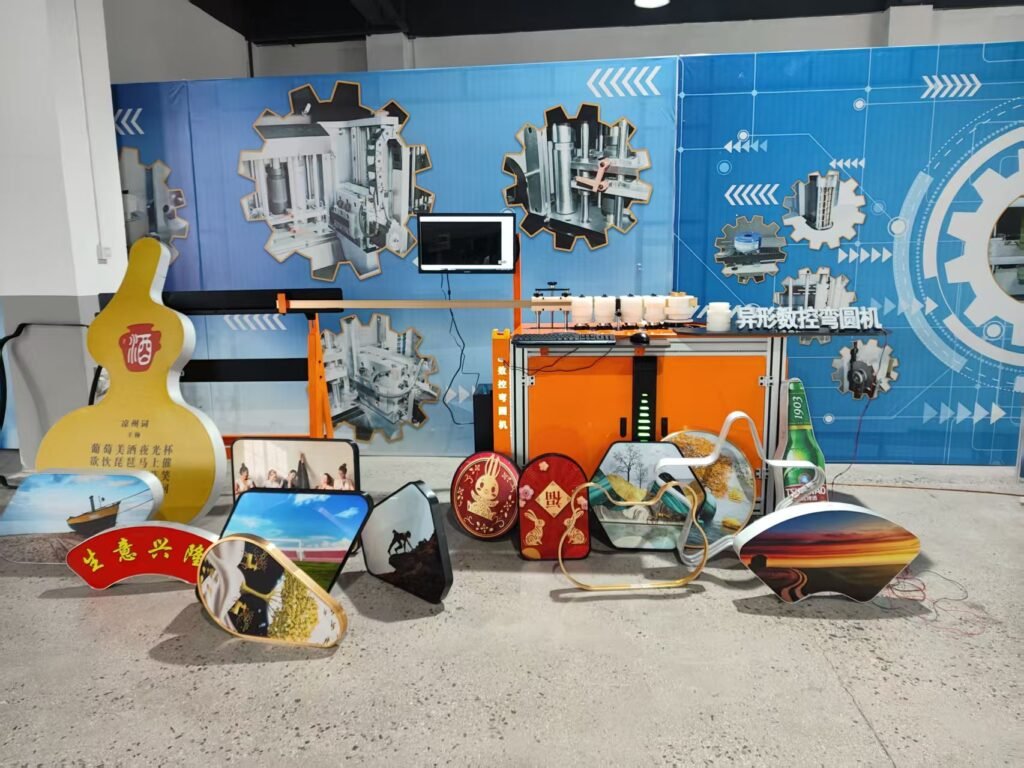
Core Must-Have Features When Shopping for a Bidirectional Aluminum Bending Machine for Light Box Frames
Not all bidirectional benders are built for light box manufacturing. Many generic metal profile machines lack compatibility with thin, narrow light box aluminum extrusions (0.6–3mm thickness, ≤120mm width).
Use this checklist to filter low-quality units during supplier evaluations:
- Full CNC bidirectional servo bending system Dual independent bending axes, supporting both inward and outward curve forming for asymmetrical light box borders. Avoid semi-automatic hydraulic models with limited reverse bending range.
- Native light box profile compatibility Pre-programmed molds for standard fabric light box, soft film light box, and mirror frame aluminum sections. Quick-change roller sets cut mold swap downtime under 10 minutes.
- Intuitive industrial control software Built-in support for CDR, DXF, and CAD design files—your graphic team’s light box layouts import directly without format conversion errors. Store 100+ frame recipes for repeat bulk orders.
- Low-wear nylon roller assembly (5+ pairs) Extra roller sets stabilize thin aluminum profiles during bending, preventing warping common with 3-roller budget machines.
- EU CE safety certification Mandatory for light box manufacturers shipping finished signage to European markets; includes emergency stop sensors and overload protection for long daily shift operation.
- Stable all-steel machine frame Light box production runs 8–12 hours daily. Thin, lightweight machine bodies vibrate during high-speed bending and lose precision after 6–12 months of heavy use.
Real-World Shop Case Study – How One Light Box Maker Boosted Revenue
A mid-sized signage factory in Vietnam specializing in hotel backlit light boxes upgraded their three single-way aluminum benders to one industrial bidirectional aluminum bending machine last year.
Before the upgrade:
- Turnaround for custom curved light box frames: 3 business days
- Lost 2–4 high-value custom orders monthly due to shape limitations
- Two full-time staff dedicated to fixing bent, gapped aluminum frames
After installing the bidirectional bending machine:
- Custom light box frame lead time dropped to 4 hours
- Monthly custom order revenue rose 65% with no outsourced frame work
- Reduced one full-time rework position, cutting monthly labor overhead $800+
- Zero client complaints about uneven light box frame joints in 10 months
Their production manager noted the biggest competitive edge: they now offer clients unlimited frame shape options while local competitors still turn down complex light box requests.
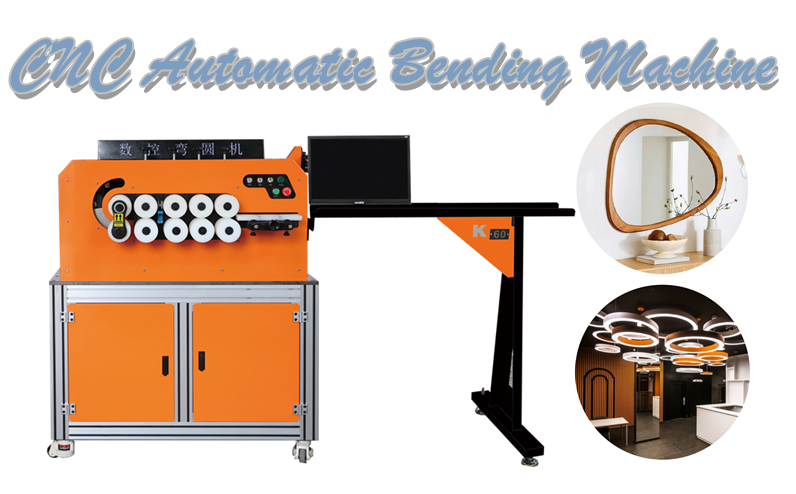
Conclusion
For light box frame manufacturers aiming to expand custom order capacity, cut labor waste, and eliminate costly frame rejects, investing in the best bidirectional aluminum bending machine is not just an equipment upgrade—it’s a competitive business advantage.
Single-way bending hardware limits your service offerings and eats into profit with constant rework. Bidirectional CNC bending streamlines your entire light box fabrication line, letting you deliver consistent, flawless custom frames faster than competitors.
If you’re ready to compare spec sheets or request a free production sample of light box frames made on this bidirectional aluminum bending machine, reach out to our machinery team today for tailored recommendations based on your workshop’s daily output and profile types.

