
CNC mirror LED light metal frame bending machines are the backbone of precision metal fabrication for lighting, architectural decoration, and household appliance industries. These specialized devices deliver high-precision bending for aluminum alloy, stainless steel, and thin metal LED frames, ensuring smooth mirror finishes and consistent forming accuracy for mass production.
However, like all high-precision CNC equipment, this bending machine’s durability and performance rely heavily on daily operation and systematic maintenance. Heavy daily production, improper operation, neglected cleaning, and irregular component checks will accelerate wear and tear, cause angle deviation, positioning errors, hydraulic failures, and eventually lead to frequent downtime and costly replacements. For fabrication workshops and manufacturing enterprises, extending the machine’s service life is not just about protecting equipment investment—it is the key to stabilizing production efficiency and maintaining consistent product quality. Today, we share practical, industry-proven tips to maximize the lifespan of your CNC mirror LED light metal frame bending machine.
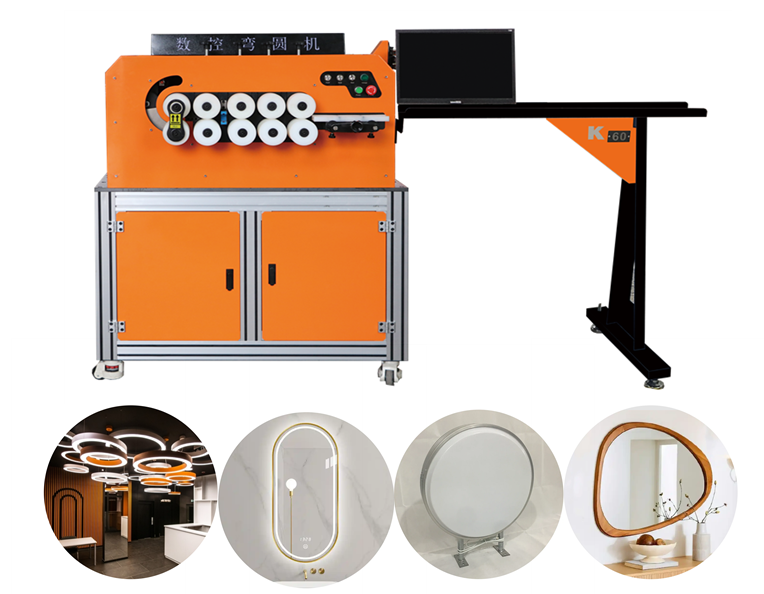
1. Adhere to Standard Operating Procedures to Avoid Man-Made Wear
Most premature machine failures stem from non-standard operation rather than equipment aging. The CNC mirror LED frame bending machine is designed for thin-wall metal and high-precision mirror surface processing, which demands stricter operating standards than ordinary bending machines.
First, always follow the material processing range specified by the machine manual. Do not process over-thick metal plates or ultra-hard raw materials beyond the machine’s load capacity. Overloading will impact the precision guide rail, slider, and spindle system, causing irreversible deformation and reducing bending accuracy over time.
Second, train operators to master professional skills before independent operation. Unskilled staff are prone to mis-setting bending parameters, misaligning workpieces, or causing ram crashes, which damage the tooling and core transmission components. In addition, avoid long-term continuous overload operation during peak production. Proper intermittent rest can effectively reduce mechanical fatigue and extend the overall service life of the equipment.
2. Perform Daily Cleaning to Protect Mirror Precision and Core Components
Mirror finish processing has extremely high requirements for machine cleanliness, making daily cleaning the most basic yet critical maintenance step. Metal shavings, dust, and processing debris generated during LED frame bending will accumulate on the worktable, tooling, back gauge, and guide rails. If left uncleaned, these residues will scratch the mirror surface of subsequent workpieces and wear down precision moving parts.
After daily production, operators should thoroughly clean the worktable, bending dies, and back gauge positioning system to remove all metal debris and dust. Use clean soft cloths for mirror-related components to avoid hard tools scratching precision surfaces. Meanwhile, keep the machine’s external cabinet and ventilation openings clean to ensure normal heat dissipation. Overheating caused by blocked ventilation will accelerate the aging of electrical components and circuit systems.
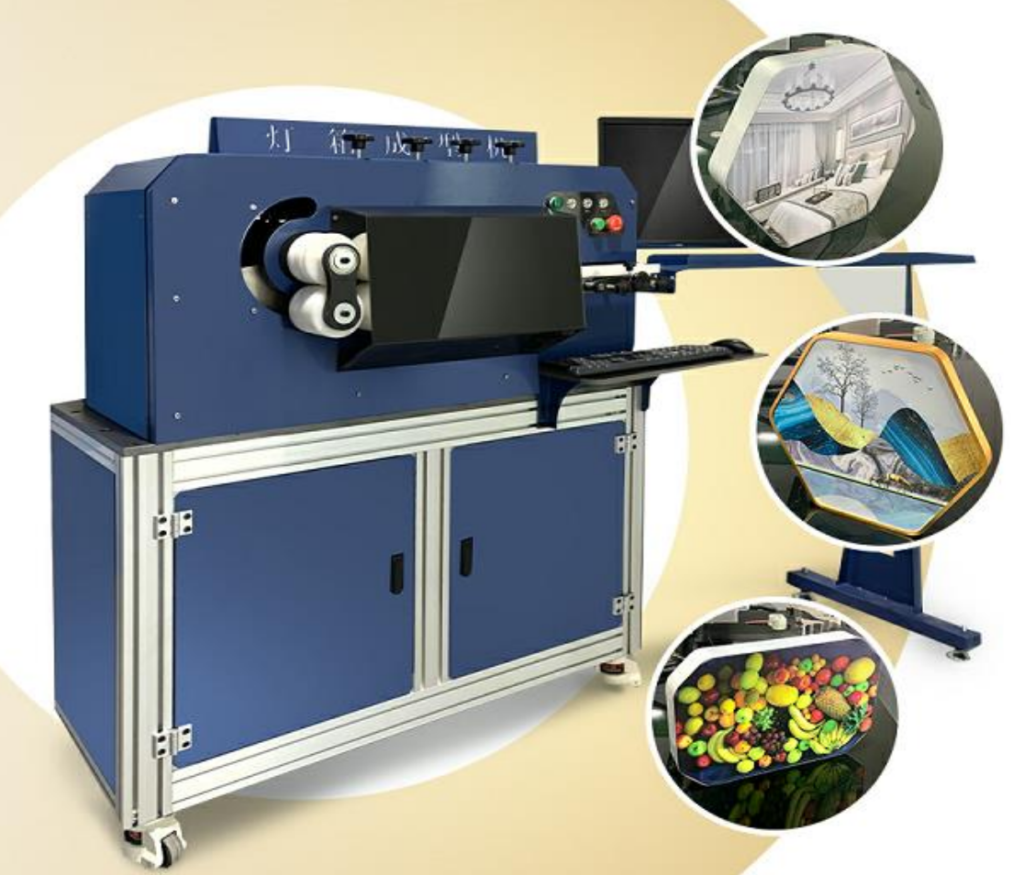
3. Implement Scientific Lubrication
Smooth operation of transmission determines the stability and lifespan of the CNC bending machine. Insufficient or improper lubrication leads to dry friction of guide rails, bearings, and sliding parts, resulting in severe component wear, jittery operation, and reduced bending precision.
Stick to regular lubrication schedules and only use manufacturer-specified lubricants. Never mix different brands of lubricating oil, as chemical reactions will destroy lubrication performance and corrode mechanical parts. Lubricate all moving parts such as linear guide rails, sliders, and rotating bearings on a daily basis to maintain flexible operation.
4. Regular Inspection and Calibration of Precision Systems
Long-term repetitive bending operations will cause slight deviations in the machine’s positioning and synchronization accuracy, which not only affects the flatness and angle precision of LED mirror frames but also accelerates equipment loss. Regular inspection and precision calibration are necessary to maintain long-term stable operation.
Focus on checking key precision parts including the back gauge positioning system, Y1/Y2 axis synchronization, slider parallelism, and die wear condition every week. Timely replace worn dies to avoid defective processing and secondary damage to the machine body. Conduct full precision calibration every month to correct angle drift and positioning errors, ensuring consistent processing accuracy.
In addition, regularly inspect the electrical control system: check whether the circuit cables are aging, loose, or burnt, and confirm the normal operation of the CNC controller, sensor, and display system. Timely troubleshoot minor faults to avoid small problems evolving into major equipment failures that damage core components.
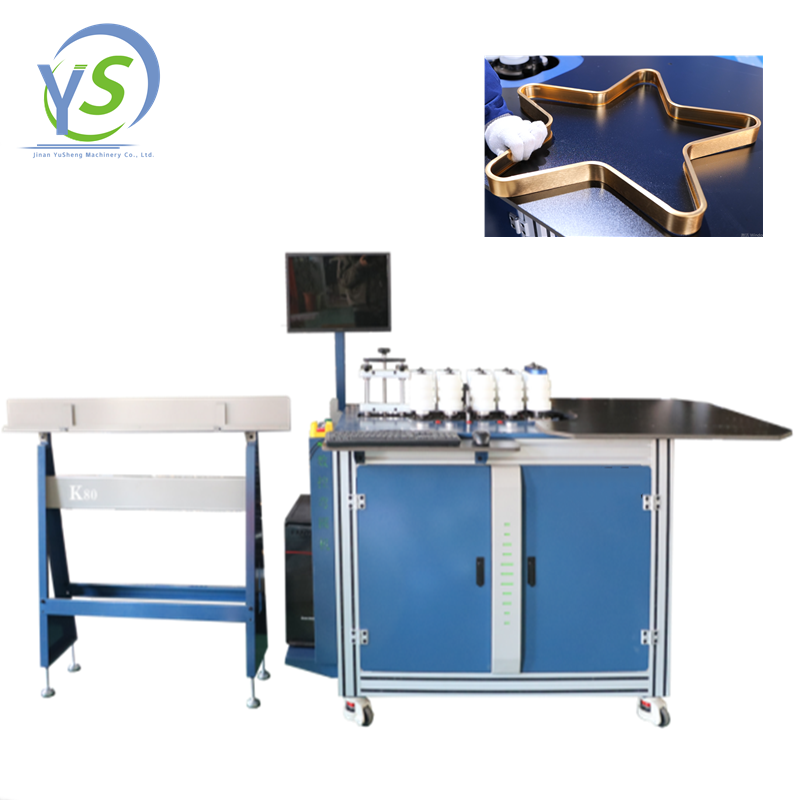
5. Use Qualified Accessories and Establish Complete Maintenance Logs
When replacing machine accessories and wearing parts, always choose original or standard qualified accessories matching the machine model. Low-cost, non-standard parts have poor compatibility and unstable quality, which will cause abnormal machine operation, aggravate component wear, and even affect the overall structural stability of the equipment in the long run.
It is also recommended to establish a complete equipment maintenance log. Record daily cleaning, lubrication, component inspection, fault repair, and accessory replacement records in detail. This systematic record helps track the equipment’s operating status, grasp component aging rules, and formulate targeted maintenance plans, realizing predictive maintenance and avoiding unplanned downtime.
Final Thoughts
A CNC mirror LED light metal frame bending machine is a high-value precision processing equipment. Its service life is not determined by equipment quality alone, but more by daily standardized operation and refined maintenance. By adhering to standard operating procedures, keeping the machine clean, optimizing lubrication and hydraulic maintenance, regularly calibrating precision systems, and using qualified accessories, you can effectively reduce equipment failure rates, maintain long-term processing accuracy, and extend the machine’s service life significantly.
Good maintenance habits not only save enterprises a lot of equipment replacement and maintenance costs but also ensure stable production progress and high-quality finished products, bringing long-term economic benefits to metal fabrication workshops.

